

2026-09-07 Pageview:2
Wax emulsions are among the most commonly used additives in modern water-based coatings and paints. Although they are typically added at relatively low dosage levels, they can significantly influence the performance and appearance of the final paint film. As coating manufacturers continue to pursue higher durability, better surface protection, and improved user experience, wax emulsions have become an essential component of many coating formulations.
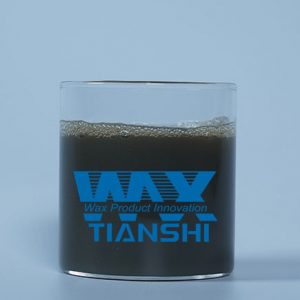
A wax emulsion is a stable dispersion of fine wax particles in water. During the drying and curing process, these wax particles gradually migrate toward the coating surface and become concentrated in the upper layer of the paint film. This surface enrichment is responsible for many of the performance improvements associated with wax emulsions.
One of the most important effects of wax emulsion is improving scratch resistance. Paint films are frequently exposed to contact with tools, furniture, packaging materials, and everyday objects. Without adequate protection, scratches can quickly damage the appearance of the coating. Wax particles help reduce surface friction and create a protective layer that minimizes visible scratching.

Abrasion resistance is another major benefit. Coated surfaces often experience repeated rubbing, cleaning, and mechanical wear throughout their service life. Wax emulsions help strengthen the paint film surface and reduce wear-related damage, extending the durability of the coating.
Wax emulsions also reduce the coefficient of friction (COF) of the paint film. A lower COF creates a smoother surface feel and allows objects to slide more easily across the coating. This improved slip performance is particularly valuable in wood coatings, industrial coatings, furniture finishes, and packaging varnishes.
Anti-blocking performance is significantly enhanced by wax emulsions. Freshly coated surfaces may stick together during stacking, transportation, or storage. Wax particles reduce surface tackiness and help prevent adjacent coated surfaces from adhering to one another, improving handling and production efficiency.
Another important effect is improved water resistance. The hydrophobic nature of wax helps reduce water penetration into the coating film. As a result, the paint surface becomes more resistant to moisture, helping maintain coating integrity and appearance over time.
Wax emulsions can also improve stain resistance. Dust, fingerprints, oils, and other contaminants are less likely to adhere strongly to a wax-modified surface. This makes coated surfaces easier to clean and helps preserve their decorative appearance.
In many applications, wax emulsions enhance the tactile properties of the paint film. Furniture, wood coatings, and decorative finishes often require a smooth, silky touch that conveys a sense of quality. Properly selected wax emulsions can significantly improve hand feel without negatively affecting coating transparency.
For matte and low-gloss coatings, wax emulsions may contribute to more uniform surface appearance while maintaining excellent surface protection. In gloss coatings, fine-particle wax emulsions can provide durability improvements with minimal impact on gloss retention.
The effectiveness of wax emulsion depends on several factors, including wax type, particle size, dosage level, and compatibility with the coating system. Polyethylene wax emulsions are widely used because they provide an excellent balance of abrasion resistance, slip, transparency, and cost-effectiveness. Oxidized polyethylene wax emulsions offer enhanced compatibility with water-based systems, while polypropylene and specialty synthetic wax emulsions may provide higher surface hardness and scratch resistance.
Water-based architectural coatings, wood coatings, industrial coatings, metal coatings, leather coatings, and printing varnishes all benefit from the use of wax emulsions. The specific performance improvements achieved depend on the formulation design and application requirements.
As coating technology continues to evolve, wax emulsions remain one of the most efficient and versatile surface-modifying additives available. Their ability to improve scratch resistance, abrasion resistance, slip, anti-blocking properties, water resistance, stain resistance, and surface feel makes them indispensable in modern paint formulations.
At Tianshi Wax, we offer a comprehensive range of wax emulsions for water-based coatings, wood coatings, industrial paints, printing varnishes, and specialty surface treatment applications. Contact our technical team today to find the ideal wax emulsion solution for your coating formulation.
 Leave a message

We’ll get back to you soon