

2026-05-27 Pageview:113
PTFE wax and polyethylene wax are two of the most commonly used wax additives in coatings and printing inks. Both materials improve surface properties such as slip, abrasion resistance, and anti-blocking properties, but their performance characteristics and cost structures differ.
Understanding the differences between PTFE wax and polyethylene wax is crucial for selecting the appropriate additive for a specific application.
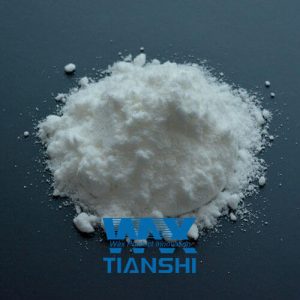
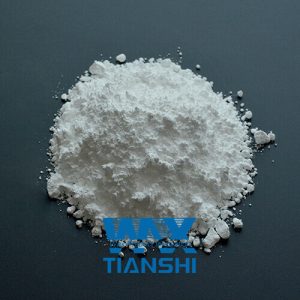
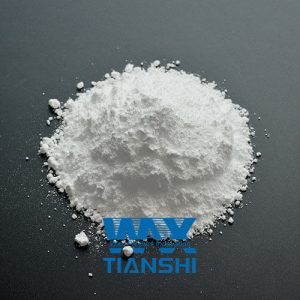
PTFE wax is known for its extremely low coefficient of friction and excellent abrasion resistance. Its superior scratch resistance, slip, and durability make it ideal for high-performance industrial coatings and high-grade packaging inks.
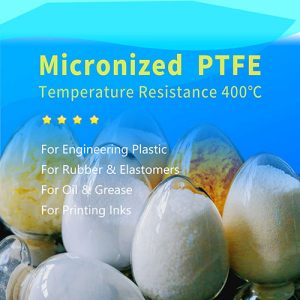
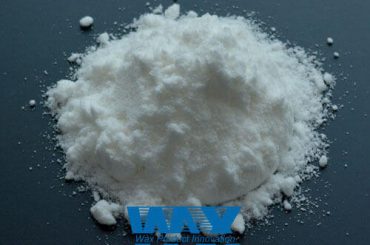
ptfe micropowder
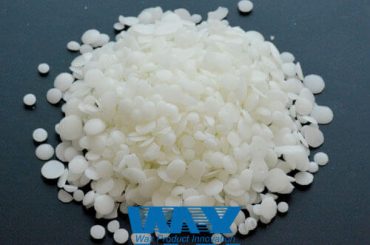
Polyethylene wax (PE wax) is a more widely used, cost-effective, and versatile additive. It offers good slip, anti-blocking, and abrasion resistance while maintaining good compatibility with a variety of resin systems.
One of the biggest differences between these two materials is the reduction in the coefficient of friction. PTFE wax has a much lower coefficient of friction than polyethylene wax, making it more suitable for applications requiring maximum slip and scratch resistance.
In coatings subjected to severe abrasion or mechanical stress, polytetrafluoroethylene (PTFE) waxes generally exhibit superior long-term durability.
However, in many systems, polyethylene (PE) waxes typically offer better dispersibility and easier processing.
PE waxes are also generally more economical than PTFE waxes, making them more suitable for high-volume industrial applications where cost-effectiveness is paramount.
Gloss and transparency properties may also differ. Micron-sized PTFE waxes can maintain high gloss when properly dispersed, but excessive addition can lead to haziness.
In standard formulations, PE waxes generally have a smaller impact on optical properties.
In printing inks, PTFE waxes are often the preferred choice for high-end packaging applications requiring high abrasion resistance and a low coefficient of friction. PE waxes are more commonly used in general printing inks where a balance between cost and performance is necessary.
The response of water-based, UV-curable, solvent-based, and powder coating systems to these waxes can vary depending on resin compatibility and formulation design.
In many advanced formulations, PTFE and PE waxes are used in combination to balance slip properties, durability, gloss, and cost.
The choice between PTFE and PE wax ultimately depends on performance objectives, formulation requirements, processing conditions, and budget.
If you are evaluating the application of PTFE or PE waxes in coatings and inks, our technical team can help you select the right solution for your application. Please contact us for product recommendations and formulation support.
 Leave a message

We’ll get back to you soon