

2026-01-26 Pageview:257
Scratch resistance and blocking are two of the most common performance challenges faced by formulators of water-based coatings. As regulations continue to push the market toward low-VOC and waterborne systems, traditional solvent-based solutions are no longer suitable, and coating manufacturers must rely on functional additives to compensate for inherent weaknesses in water-based formulations. Among these additives, PE wax has become one of the most effective and widely adopted solutions.
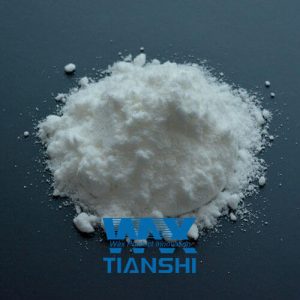
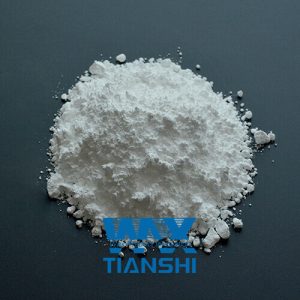
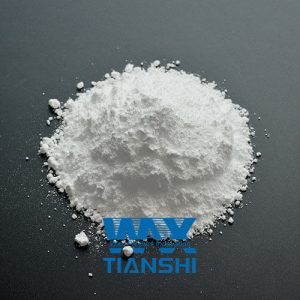
In water-based coatings, the polymer matrix tends to be softer during film formation, especially at early curing stages. This softness often leads to poor scratch resistance, surface marring, and blocking issues when coated surfaces are stacked, rolled, or stored under pressure. PE wax additives work by migrating to the coating surface during drying and curing, forming a micro-scale protective layer that reduces friction and improves surface hardness without negatively affecting the bulk properties of the film.
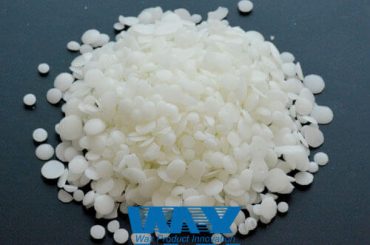
Compared with other wax types, polyethylene wax offers a balanced combination of hardness, slip, and chemical stability. When properly dispersed, micronized PE wax or PE wax emulsions can significantly reduce surface friction, allowing coated surfaces to resist scratching during handling, transport, and end use. This is particularly important for industrial coatings, wood coatings, and water-based metal coatings where surface durability is a key selling point.
Blocking resistance is another area where PE wax shows clear advantages. In water-based systems, blocking often occurs because the coating surface remains tacky for an extended period, especially under heat or pressure. PE wax particles create a physical barrier between coated surfaces, reducing contact area and preventing adhesion. This effect is especially valuable in packaging coatings, furniture finishes, and coil coating primers where stacked storage is unavoidable.
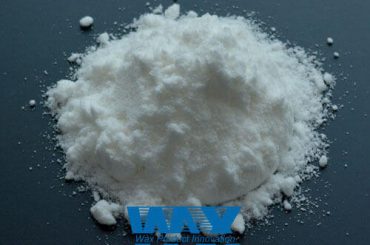
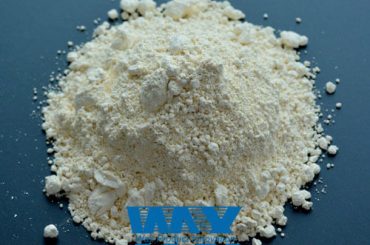
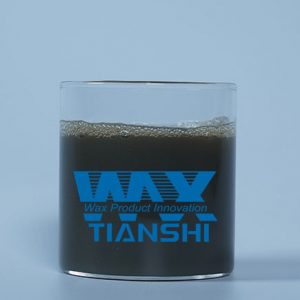
The choice between micronized PE wax and PE wax emulsions depends largely on formulation requirements. Micronized PE wax powders are often used in grinding stages or post-addition to achieve maximum scratch resistance, while wax emulsions are preferred when ease of incorporation and uniform distribution are critical. A well-designed wax emulsion can deliver consistent performance without causing defects such as craters or gloss reduction.
From a procurement perspective, coating manufacturers increasingly look for wax suppliers who can offer not only standard products but also formulation support. Particle size distribution, melting point, and compatibility with different resin systems all play a critical role in final coating performance. Selecting the right PE wax additive is therefore not just a matter of price, but of long-term product stability and performance consistency.
If you are developing or optimizing a water-based coating and need a reliable PE wax solution to improve scratch resistance and blocking performance, our technical team can help you select the most suitable wax additive for your formulation. Contact us to discuss samples, technical data, and application support.
 Leave a message

We’ll get back to you soon