

2026-08-24 Pageview:6
Silicone rubber is widely used in automotive components, electronic devices, medical products, industrial seals, kitchenware, rollers, and specialty engineering applications due to its excellent heat resistance, weatherability, flexibility, and chemical stability. However, conventional silicone rubber may exhibit relatively poor wear resistance and a high coefficient of friction in certain dynamic applications. To address these limitations, manufacturers often incorporate polytetrafluoroethylene (PTFE) powder into silicone rubber formulations.
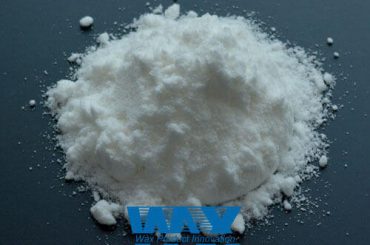
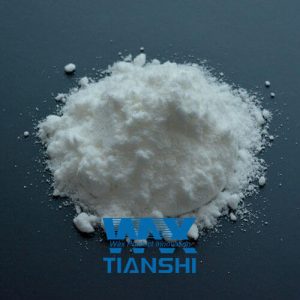
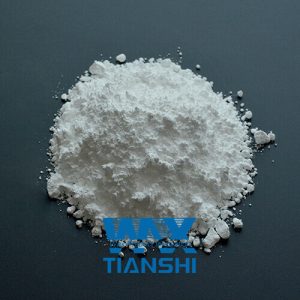
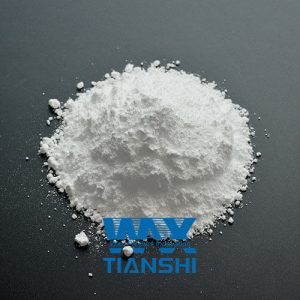
PTFE powder is a high-performance fluoropolymer additive known for its extremely low coefficient of friction, outstanding wear resistance, and excellent chemical stability. When properly dispersed within silicone rubber compounds, PTFE particles can significantly enhance the surface and mechanical performance of the final product.
One of the most important functions of PTFE powder is improving wear resistance. Silicone rubber components used in seals, gaskets, rollers, and moving mechanical systems are often exposed to continuous friction and repeated movement. PTFE particles help reduce surface wear, allowing silicone products to maintain their performance over a longer service life.
Another major benefit is friction reduction. PTFE is recognized as one of the lowest-friction engineering materials available. By incorporating PTFE powder into silicone rubber, manufacturers can significantly lower the coefficient of friction of the finished product. This property is especially valuable in dynamic sealing systems and sliding components where smooth movement is required.
PTFE powder also enhances anti-scratch performance. Silicone surfaces modified with PTFE exhibit improved resistance to mechanical damage caused by repeated contact, handling, and abrasion. This helps maintain both functional performance and appearance.
Demolding performance can be improved as well. During silicone rubber molding processes, PTFE particles contribute to internal lubrication, reducing adhesion between the molded part and the mold surface. Easier demolding can improve production efficiency and reduce mold wear.
In industrial applications, PTFE-modified silicone rubber is frequently used for seals, O-rings, gaskets, conveyor components, rollers, cable accessories, and other parts that require a combination of flexibility and wear resistance. The addition of PTFE helps these products perform more reliably under demanding operating conditions.
PTFE powder can also contribute to improved surface smoothness. The low-friction characteristics of PTFE create a smoother contact surface, which may reduce noise and improve operational efficiency in certain applications.
For automotive and industrial sealing applications, lower friction often means reduced energy loss and less heat generation during operation. These advantages can help improve equipment reliability and extend maintenance intervals.
The effectiveness of PTFE powder depends on factors such as particle size, dispersion quality, loading level, and silicone rubber formulation. Proper compounding techniques are essential to ensure uniform distribution of PTFE particles throughout the silicone matrix.
Typical addition levels vary depending on performance requirements. In many wear-resistant silicone rubber applications, PTFE powder is used to achieve an optimal balance between flexibility, processability, and tribological performance.
As silicone rubber products continue to be used in more demanding environments, PTFE powder has become an increasingly important modification technology. Its ability to improve wear resistance, reduce friction, enhance demolding, and extend product life makes it a preferred additive for high-performance silicone rubber compounds.
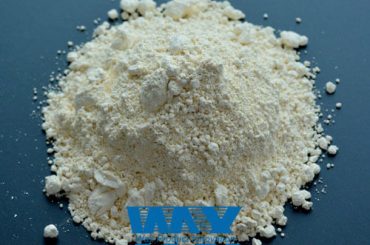
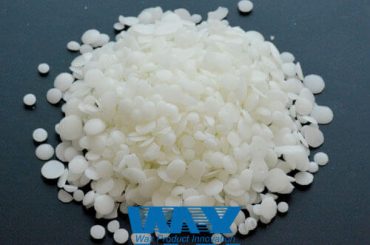
At Tianshi Wax, we offer high-quality PTFE micropowders for silicone rubber, engineering plastics, coatings, and other industrial applications. Contact our technical team today to learn more about our PTFE solutions and how they can improve the performance of your silicone rubber formulations.
 Leave a message

We’ll get back to you soon