

2026-03-03 Pageview:220
Automotive industrial coatings operate in one of the most demanding performance environments. Whether applied to vehicle components, heavy-duty transport equipment or automotive refinishing systems, these coatings must withstand constant mechanical abrasion, chemical exposure, temperature fluctuations and environmental stress. In such high-performance applications, conventional surface modifiers may not deliver sufficient durability. Micronized PTFE wax has emerged as a premium additive solution for enhancing scratch resistance and surface protection in automotive coatings.
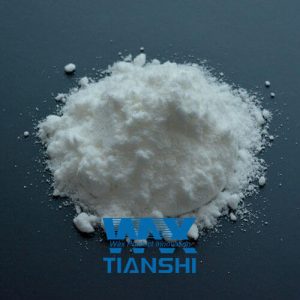
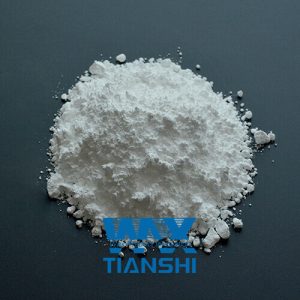
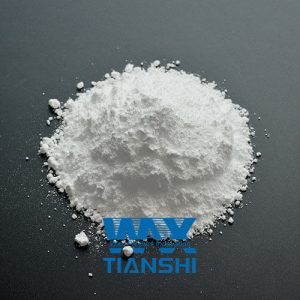
PTFE, known for its extremely low coefficient of friction and outstanding chemical inertness, provides a unique advantage when incorporated into industrial coating systems. When dispersed correctly in automotive primers, basecoats or clearcoats, micronized PTFE particles migrate toward the coating surface during curing. This results in the formation of a micro-scale protective layer that significantly reduces friction and surface wear.
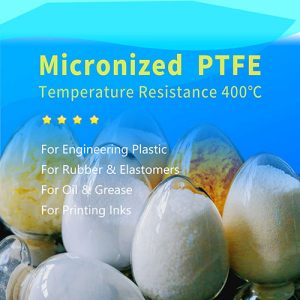
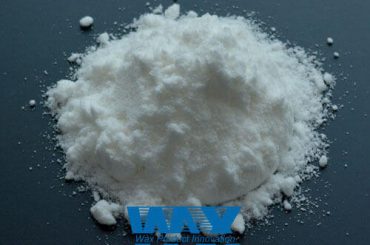
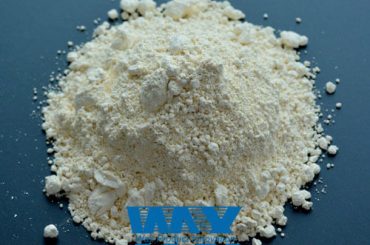
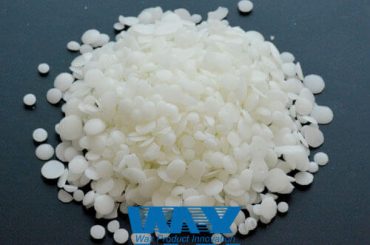
ptfe micropowder
Scratch resistance is particularly critical in automotive coatings. Vehicles are exposed to frequent contact from road debris, washing brushes, cleaning cloths and general handling. Micro-scratches not only reduce gloss but can compromise long-term corrosion protection. PTFE wax enhances scratch resistance by minimizing surface drag and reducing direct stress on the polymer matrix.
Chemical resistance is another important performance parameter. Automotive coatings are exposed to fuels, oils, detergents and environmental contaminants. PTFE’s chemical inertness contributes to improved resistance against aggressive substances, helping maintain coating integrity over extended service life.
In automotive clearcoat systems, maintaining gloss and visual depth is essential. Therefore, particle size control is crucial. Fine micronized PTFE grades minimize gloss reduction while still delivering enhanced scratch resistance. Proper dispersion ensures uniform surface modification without surface defects.
Compatibility with resin systems such as polyurethane and acrylic automotive coatings must be validated through testing. Because PTFE is relatively inert, achieving stable dispersion requires careful selection of appropriate grades and processing methods. Optimized dosage levels provide measurable performance improvements without negatively affecting flow or curing behavior.
Automotive manufacturers and coating suppliers increasingly focus on long-term durability and reduced maintenance costs. High-performance additives like PTFE wax enable coatings to meet stricter industry standards without major reformulation.
For coating manufacturers targeting automotive and high-end industrial markets, selecting the right PTFE wax solution can provide a competitive advantage in scratch resistance and chemical durability.
If you are formulating automotive industrial coatings and seeking enhanced surface protection, we can recommend suitable micronized PTFE wax grades tailored to your system. Share your coating type, curing process and performance goals with us. Contact us today to discuss sample testing and technical support for your automotive coating applications.
 Leave a message

We’ll get back to you soon