

2026-04-29 Pageview:18
UV-curable coatings are widely used in applications such as wood finishes, plastic coatings, electronics, and packaging due to their fast curing speed, low VOC emissions, and excellent productivity. However, despite these advantages, UV coatings often face challenges in achieving optimal surface performance, particularly in terms of slip, scratch resistance, and anti-blocking behavior.
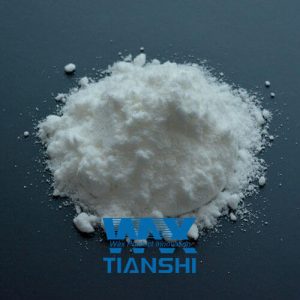
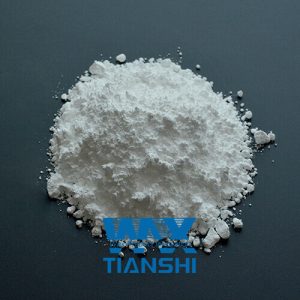
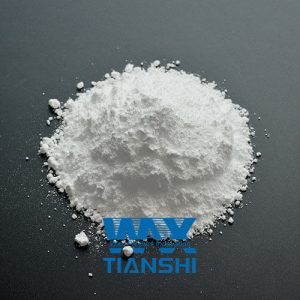
Micronized amide wax has become an effective additive to address these challenges in UV systems. Its unique combination of low surface friction and good compatibility with various resin systems makes it particularly suitable for high-performance UV coatings.
Unlike traditional solvent-based coatings, UV coatings cure rapidly through photopolymerization. This fast curing process limits the time available for additives to migrate and form functional surface layers. Therefore, selecting the right wax and ensuring proper dispersion is critical.
When micronized amide wax is properly incorporated into UV formulations, it becomes evenly distributed within the system. During curing, it migrates toward the surface and forms a thin, lubricating layer that modifies surface properties.
One of the primary benefits of amide wax in UV coatings is improved slip. By reducing the coefficient of friction, it allows coated surfaces to move more easily against each other. This is particularly important in applications such as flooring, furniture, and packaging, where surfaces are frequently in contact.
Surface protection is also significantly enhanced. The wax layer reduces direct mechanical contact, helping to prevent scratches and surface damage. This contributes to longer coating life and improved durability.
Anti-blocking performance is another key advantage. In UV coatings applied to films or stacked products, surfaces can stick together under pressure. Amide wax reduces this tendency, improving handling and processing efficiency.
Selecting the right amide wax for UV coatings requires careful consideration of several factors. Particle size is critical, as it affects both dispersion and surface smoothness. Fine particles ensure more uniform coverage and better visual appearance.
Compatibility with UV resin systems is essential to achieve stable formulations and avoid defects such as haze or poor adhesion.
Melting point and chemical structure influence how effectively the wax can migrate and function during the rapid curing process.
Dosage optimization is particularly important in UV systems. Excessive wax can interfere with curing or reduce gloss, while insufficient wax may not provide adequate performance.
In high-end UV formulations, amide wax is often used in combination with other waxes to achieve a balance between slip, durability, and appearance.
As UV coating technologies continue to evolve, the need for effective surface modifiers remains strong.
If you are developing UV coatings and need to improve slip, surface protection, and anti-blocking performance, our micronized amide wax products are designed to deliver consistent and reliable results. Contact us for formulation support and product recommendations.
 Leave a message

We’ll get back to you soon