

2026-04-30 Pageview:66
Flexographic and gravure printing technologies are widely used in packaging, labeling, and decorative applications. These processes require inks that can deliver high-speed performance, excellent print quality, and reliable surface properties. However, achieving consistent performance in these systems can be challenging, particularly when it comes to slip, blocking, and surface durability.
Micronized amide wax has become a widely used additive in flexographic and gravure inks due to its ability to effectively modify surface properties. Its low coefficient of friction and excellent compatibility with various ink systems make it a preferred choice for improving overall performance.

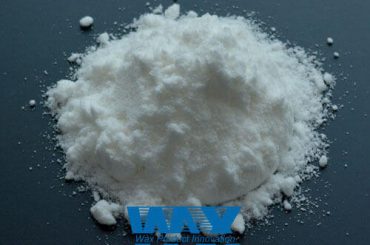
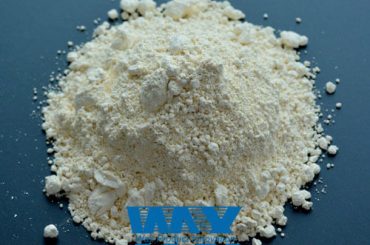
In these ink systems, amide wax is typically added in micronized powder form. After proper dispersion, it is evenly distributed within the ink matrix. During drying, the wax migrates to the surface and forms a thin, functional layer.
This surface layer plays a key role in improving slip. Lower surface friction allows printed substrates to move smoothly during high-speed processes such as rewinding and stacking. This helps reduce mechanical stress and prevents damage to the printed layer.
Anti-blocking performance is another critical benefit. In flexographic and gravure printing, printed materials are often wound into rolls or stacked under pressure. Without proper surface modification, these layers can stick together, leading to defects and production issues. Amide wax reduces this risk by creating a barrier that minimizes surface adhesion.
In addition to slip and anti-blocking, amide wax improves rub resistance and surface durability. This is particularly important for packaging applications, where printed surfaces are frequently exposed to handling and transportation.
Selecting the right amide wax for flexographic and gravure inks requires careful consideration of several factors. Particle size is one of the most important parameters. Fine particles ensure better dispersion and smoother surface finishes, which are essential for maintaining print quality.
Compatibility with the ink system is also critical. The wax must integrate well with the binder and other components to ensure stable performance.
The type of ink system, whether solvent-based or water-based, influences the choice of wax and its form.
Dosage optimization is essential to achieve the desired balance between slip, durability, and visual properties. Excessive wax can affect gloss or clarity, while insufficient wax may not provide adequate performance.
Processing conditions, including drying temperature and speed, also affect the performance of amide wax.
In high-performance formulations, amide wax is often used in combination with other waxes to achieve optimal results.
As the demand for high-quality printing continues to grow, improving ink performance remains a key focus for manufacturers.
If you are developing flexographic or gravure inks and need to enhance slip, anti-blocking, and durability, our micronized amide wax products are designed to deliver reliable and consistent performance. Contact us for formulation support and product recommendations.
 Leave a message

We’ll get back to you soon