

2025-10-14 Pageview:247
In the production of masterbatches, achieving perfect pigment dispersion and maintaining process stability are two key challenges faced by manufacturers. Polyethylene wax (PE wax) has become a fundamental additive in this process, not only as a lubricant but also as a dispersing and stabilizing agent that enhances the quality and efficiency of masterbatch production.

Masterbatch producers must ensure that pigments and fillers are evenly distributed within the polymer matrix to achieve consistent color and mechanical performance. Poor dispersion leads to color streaking, agglomeration, and uneven physical properties, which directly affect the final product’s appearance and quality. PE wax helps overcome these challenges due to its excellent compatibility with various thermoplastics such as polyethylene, polypropylene, and polystyrene.
The main function of PE wax in masterbatch production lies in reducing the viscosity of the polymer melt, which promotes better pigment wetting and distribution. Its low molecular weight and excellent lubricity enable the pigment particles to disperse more uniformly, even under high-shear mixing conditions. This ensures smooth processing, lower torque on the extruder, and improved throughput.
Moreover, PE wax acts as a processing stabilizer, preventing thermal degradation during compounding. The thermal stability of polyethylene wax helps maintain pigment color integrity, avoiding discoloration or burning. This is especially critical in color-sensitive applications such as film extrusion, injection molding, and fiber spinning.
The balance between internal and external lubrication is another key factor. Internally, PE wax reduces the friction between polymer chains, improving melt flow and lowering processing temperature. Externally, it forms a lubricating film between the polymer and metal surfaces of the extruder, reducing wear and energy consumption. This dual lubrication mechanism not only improves productivity but also extends equipment life.
In terms of pigment dispersion, PE wax also plays a role in stabilizing pigment particles within the polymer matrix. Its molecular structure can encapsulate pigments, preventing re-agglomeration after dispersion. This results in uniform color tone, higher color strength, and improved reproducibility between batches.
Compared with traditional lubricants or stearates, PE wax offers superior thermal stability, non-volatility, and chemical resistance—qualities that are essential for modern masterbatch production.
From a production standpoint, the use of PE wax also helps reduce cycle time and material waste. By improving melt flow and reducing extrusion pressure, manufacturers can achieve higher productivity without sacrificing quality. The resulting masterbatch pellets exhibit uniform dispersion, easy handling, and excellent compatibility when mixed with base resins.
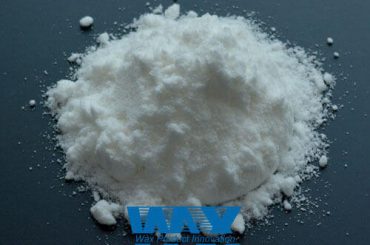
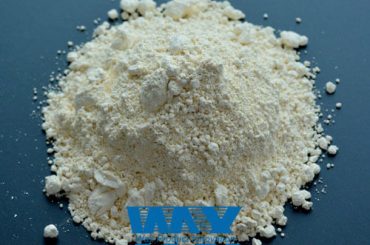
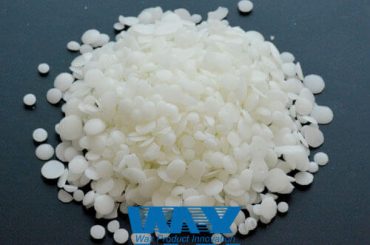
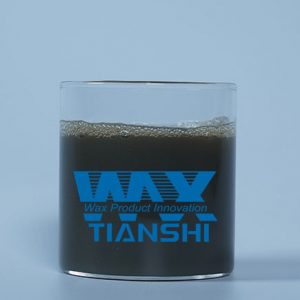
Looking for a high-performance PE wax for your masterbatch production? Contact us to learn more about our range of polyethylene wax powders, emulsions, and dispersions customized for plastic compounding and color applications.
 Leave a message

We’ll get back to you soon