

2025-10-14 Pageview:231
In the modern coating industry, water-based paint systems have become increasingly popular due to their low VOC content, environmental compliance, and improved safety for both manufacturers and end users. However, formulating high-performance waterborne paints presents certain challenges, particularly when it comes to achieving consistent flow, gloss, and surface durability. This is where wax additives play a crucial role.
Wax additives are multifunctional components designed to modify surface properties, improve slip and abrasion resistance, and maintain gloss even under harsh environmental conditions. When properly selected and dispersed, wax emulsions and micro-powders can help overcome the common weaknesses of waterborne coatings, such as poor leveling, surface marring, and loss of gloss after drying or exposure.
One of the most important functions of wax additives in water-based paints is flow and leveling improvement. During the drying process, variations in surface tension often lead to uneven film formation. By incorporating a wax emulsion—such as polyethylene (PE) wax, carnauba wax, or PTFE-modified wax—the coating develops better flow uniformity. This allows the surface to self-level, resulting in a smoother and more appealing finish.
Another critical advantage is gloss retention. High-gloss finishes are often difficult to maintain in water-based coatings due to binder limitations and the presence of matting agents. Wax emulsions with optimized particle size and controlled melting behavior form a micro-thin protective film on the coating surface, reducing the micro-roughness that causes gloss loss. This thin film also minimizes the effect of mechanical wear, maintaining a stable gloss appearance over time.
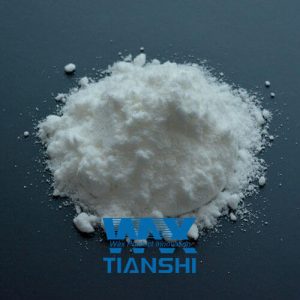
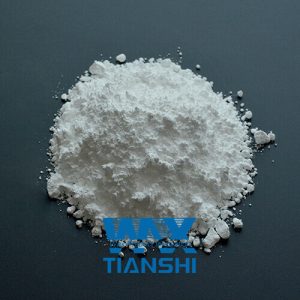
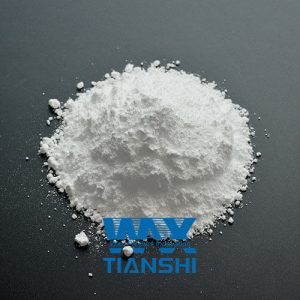
Besides improving visual properties, wax additives significantly enhance surface durability. Abrasion resistance, scratch resistance, and stain repellence are all key performance indicators in modern coatings, especially for wood, plastic, and industrial applications. Polyethylene wax emulsions and PTFE-modified wax dispersions are especially effective in this regard. Their combination of hardness and lubricity prevents micro-scratches and reduces friction between coated surfaces.
Another benefit is anti-blocking and anti-sticking performance. In stacked or rolled coating applications, such as furniture or metal sheets, coated layers may stick together during drying or storage. The addition of wax particles reduces surface tackiness, ensuring smooth separation and protection against sticking.
To maximize performance, proper dispersion is essential. Wax emulsions can be added during the let-down stage, while micro-powders are best introduced during pigment dispersion or post-addition using high-shear mixing. Ensuring homogeneous particle distribution will allow the wax to migrate effectively to the coating surface during film formation.
Looking to enhance your water-based coatings with proven wax technology? Contact us today to learn more about our wax emulsions, micro-powders, and dispersions designed for next-generation coating formulations.
 Leave a message

We’ll get back to you soon