

2025-12-11 Pageview:223
Flexible packaging films—such as BOPP, CPP, LDPE, LLDPE, and multilayer laminates—play a critical role in modern food packaging, consumer goods, and industrial applications. As packaging lines run faster and product protection requirements continue to rise, converters increasingly face issues such as blocking, coefficient of friction (COF) instability, and surface scratching. Micronized wax has become an essential additive to solve these challenges by enhancing anti-blocking and slip properties without compromising clarity, sealing performance, or mechanical strength.
Micronized wax works through a micro-scale surface modification mechanism. During film extrusion and cooling, its fine particles migrate to the surface and form a thin lubricating layer that reduces film-to-film adhesion. Unlike traditional inorganic anti-blocking agents such as silica or calcium carbonate, micronized wax particles are much smaller and smoother, allowing them to improve slip behavior without creating haze or causing die-lip buildup. This is especially important for transparent packaging films that require both visual clarity and high processing efficiency.

One of the key benefits of micronized wax is its ability to provide stable COF control. In high-speed packaging lines, consistent COF ensures smooth unwinding, stable printing, and trouble-free laminating. PE wax and PP wax micronized grades are widely used because they deliver excellent glide performance and help maintain surface smoothness. In contrast to amide-based slip agents, micronized wax does not cause excessive blooming or migration, which means COF remains stable throughout storage and converting.
In addition to slip and anti-blocking performance, micronized wax also enhances scratch resistance and surface protection. Packaging films often undergo rigorous handling—from winding and slitting to printing, lamination, and transportation. The micro-protective layer provided by wax particles reduces friction damage and prevents visible lines, marks, and print defects. This is particularly valuable in high-end consumer packaging where visual appearance directly influences brand perception.
Micronized wax can also help optimize processing during film extrusion. Its internal lubrication effect reduces melt viscosity and improves polymer flow, resulting in better thickness uniformity and lower energy consumption. When used in combination with anti-blocking agents, antioxidants, and slip additives, micronized wax strengthens the overall balance of mechanical, optical, and processing properties in flexible packaging formulations.
Different types of micronized wax offer different functionalities. High-density polyethylene (HDPE) wax provides hardness and scratch resistance, while polypropylene (PP) wax delivers better slip due to its lower surface energy. PTFE-modified micronized wax is often used for demanding applications requiring ultra-low friction and long-term stability. For converters focused on food contact applications, FDA-compliant grades are available to ensure regulatory safety.
As sustainable packaging becomes mainstream, micronized wax plays an additional role in supporting downgauging and recyclable film structures. Thinner films require better scratch resistance and more stable slip performance to avoid damage during processing. Wax additives help maintain mechanical integrity even when resin content is reduced, making them an ideal fit for modern mono-material packaging solutions.
If you are producing BOPP, CPP, PE, or multilayer packaging films and want consistent anti-blocking performance, lower COF, improved surface protection, and more efficient processing, micronized wax is one of the most effective and economical solutions. With proper selection of particle size, melting point, and compatibility, wax additives can significantly enhance both production stability and final film quality.
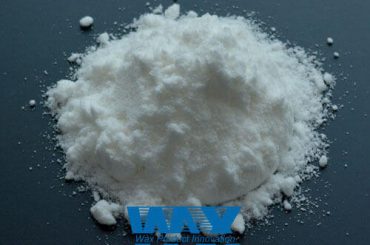
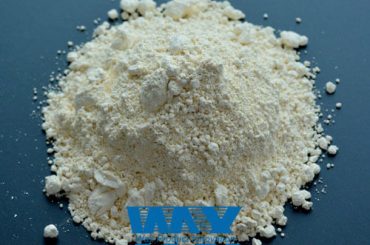
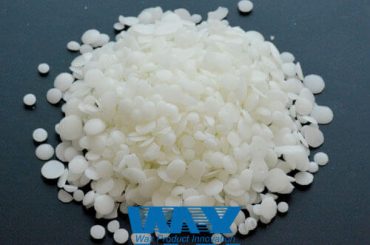
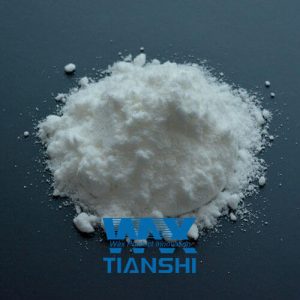
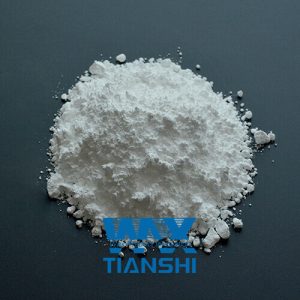
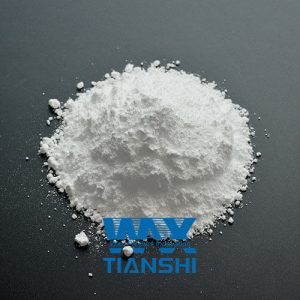
Our micronized PE wax, PP wax, and PTFE-modified wax are designed specifically for slip, anti-blocking, and scratch-resistant applications in flexible packaging. Contact us for technical recommendations, formulation guidance, and sample support.
 Leave a message

We’ll get back to you soon