

2025-12-22 Pageview:224
In industrial coating applications, surface durability and resistance to mechanical damage are critical performance requirements. Coatings are frequently exposed to friction, abrasion, and repeated contact during processing, transportation, and end use. Without proper surface modification, coating films can suffer from scratches, scuffing, and premature wear, leading to reduced service life and visible surface defects. Micronized wax plays an important role in addressing these challenges by directly influencing surface friction and mechanical resistance at the coating interface.
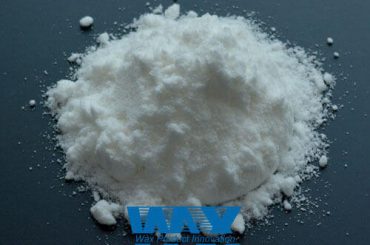
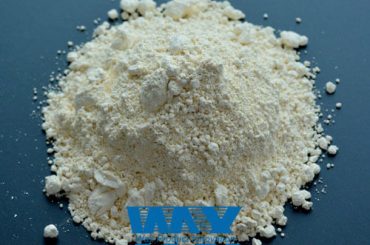
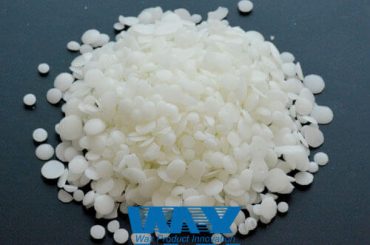
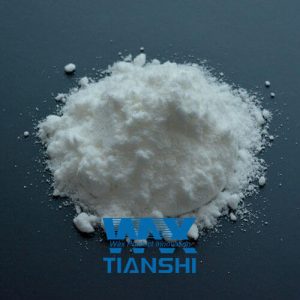
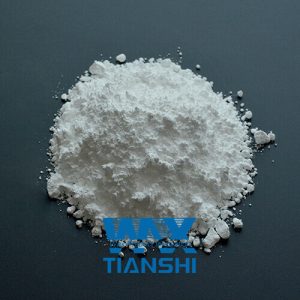
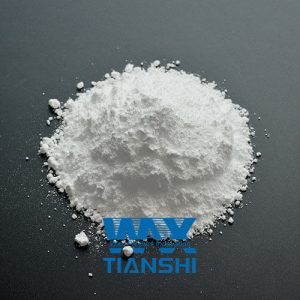
Micronized wax consists of finely ground wax particles with a controlled and narrow particle size distribution. When incorporated into coating formulations, these particles are uniformly dispersed throughout the film and partially concentrated near the surface during drying. This distribution allows micronized wax to function as a solid lubricant, reducing friction between the coating surface and contacting objects without significantly altering the bulk properties of the film.

One of the primary benefits of micronized wax in industrial coatings is its ability to reduce surface damage caused by abrasion and scratching. During mechanical contact, the wax particles help distribute applied stress more evenly across the surface. Instead of localized damage, the coating experiences smoother sliding behavior, which significantly lowers the risk of visible scratches and surface deformation. This effect is especially valuable in coatings used for metal parts, plastic components, and industrial equipment that undergo frequent handling.
In addition to improving scratch resistance, micronized wax contributes to enhanced wear resistance over time. Repeated friction can gradually degrade unmodified coating surfaces, resulting in loss of protection and aesthetic quality. By reducing the coefficient of friction, micronized wax slows down surface deterioration and helps coatings maintain consistent performance throughout their service life. This makes it suitable for applications where long-term durability is more important than decorative appearance alone.
Another advantage of micronized wax is its compatibility with a wide range of coating systems. It can be used in solvent-based, water-based, and powder coatings, depending on wax type and formulation requirements. When properly selected, micronized wax does not negatively affect film transparency, adhesion, or curing behavior, allowing formulators to improve surface protection without compromising processing stability.
The effectiveness of micronized wax depends on factors such as particle size, hardness, and melting point. Smaller particles provide more uniform surface coverage, while harder wax types generally deliver better abrasion resistance. Careful selection and dosage optimization are essential to achieve the desired balance between friction reduction and surface appearance.
For industrial coatings where surface damage and friction are ongoing concerns, micronized wax offers a practical and efficient solution. By enhancing scratch resistance and reducing wear, it helps manufacturers improve coating reliability and extend product lifespan. If you are working on industrial coating formulations and need support in selecting the right micronized wax, our technical team is available to provide customized solutions and sample support. Contact us to discuss your application requirements.
 Leave a message

We’ll get back to you soon