

2025-12-19 Pageview:130
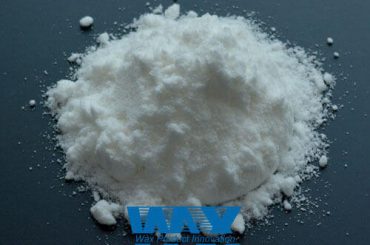
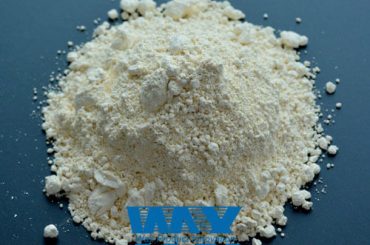
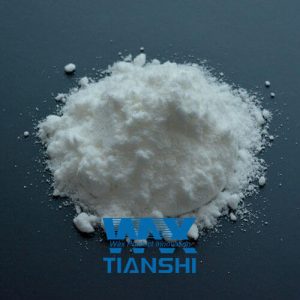
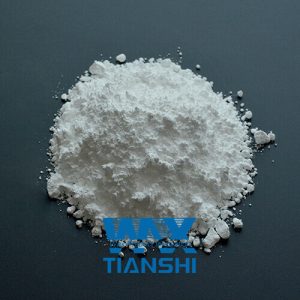
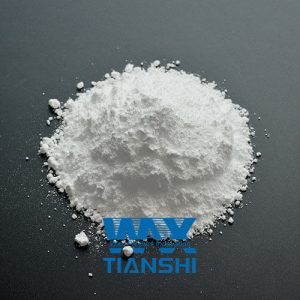
Micronized wax additives are widely used in coating and ink formulations to enhance surface performance, processing stability, and durability. As coating and ink systems continue to evolve toward higher performance requirements and more environmentally compliant formulations, micronized waxes have become an essential functional additive rather than a simple processing aid. Their finely controlled particle size and uniform distribution allow formulators to improve key surface properties without significantly affecting film clarity or mechanical strength.
In coating and ink formulations, micronized wax additives function primarily through their physical presence within the film matrix. During application and curing, wax particles migrate partially toward the surface while remaining well anchored in the resin system. This controlled distribution creates a micro-scale protective layer that reduces surface friction and improves slip behavior. As a result, coated surfaces exhibit improved scratch resistance, abrasion resistance, and mar resistance, which are critical performance indicators in both industrial and decorative applications.

In printing inks, especially water-based and solvent-based systems used for packaging and publication printing, micronized wax additives play an important role in preventing surface damage during high-speed printing and post-processing. Improved rub resistance helps reduce ink transfer, scuffing, and blocking during stacking and transportation. The enhanced slip provided by micronized waxes also supports smoother substrate feeding and improved runnability on modern printing equipment.
Surface appearance is another area where micronized wax additives contribute significantly. Poor surface durability and micro-scratches can reduce gloss uniformity and negatively impact visual quality. Properly selected micronized waxes help maintain consistent surface texture by minimizing surface damage over time. In matte and soft-touch coatings, they also contribute to a controlled tactile feel without introducing excessive roughness or haze.
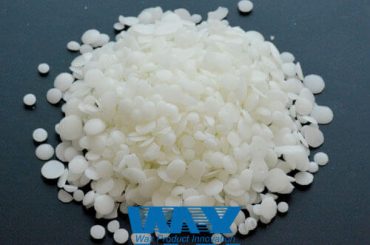
Different wax chemistries are available in micronized form to meet the diverse needs of coating and ink formulations. Polyethylene micronized waxes are commonly used due to their excellent abrasion resistance and thermal stability. Polypropylene and Fischer–Tropsch micronized waxes offer higher hardness and improved resistance to mechanical wear, making them suitable for demanding industrial coatings and high-performance inks. The choice of wax type influences not only durability but also compatibility with specific resin systems.
Particle size distribution is a critical parameter when using micronized wax additives. Finer particle sizes are typically preferred in clear coatings and high-gloss inks where transparency and smoothness are important. Coarser particle sizes may be selected for applications that prioritize maximum scratch resistance and slip performance. Balancing particle size with dosage allows formulators to achieve the desired surface properties while maintaining optimal film formation and adhesion.
Micronized wax additives are compatible with a wide range of coating and ink technologies, including water-based, solvent-based, UV-curable, and powder systems. Their versatility allows them to be incorporated during different stages of formulation, providing flexibility in both product development and manufacturing. When properly dispersed, micronized waxes offer stable performance and long-term surface protection without negatively affecting curing behavior or recoatability.
As performance expectations for coatings and inks continue to increase, micronized wax additives remain a reliable solution for enhancing surface durability and functional performance. Their ability to improve slip, abrasion resistance, and surface appearance makes them an indispensable component in modern formulations. For manufacturers and formulators seeking to optimize coating and ink performance, micronized wax additives provide a proven and efficient approach to achieving durable, high-quality surfaces.
 Leave a message

We’ll get back to you soon