

2025-06-30 Pageview:680
Wax powder helps create durable matte finishes in coil coatings while improving scratch resistance and anti-blocking. Learn how to use waxes for premium surface control.
Coil coatings—applied to metal substrates like aluminum or steel—must combine aesthetic appeal with long-term surface protection. In recent years,matte finishes have become increasingly popular due to their modern, soft look and reduced glare. To achieve this effect consistently and durably, formulators often turn to wax powder as a surface control additive.
In this article, we explore how wax powder works in coil coating systems to provide matting, scratch resistance, and anti-blocking performance.
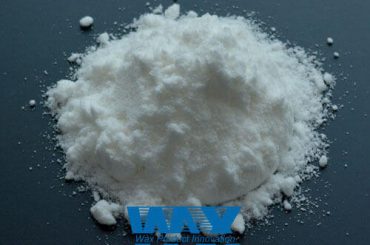
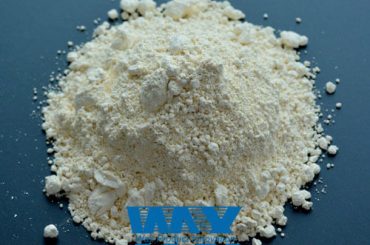
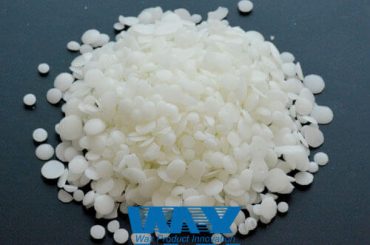
Wax powder, also called micronized wax, refers to ultra-fine particles of wax such as:
Polyethylene (PE) wax
PTFE wax
Fischer-Tropsch wax
Polypropylene (PP) wax
These powders are dispersed into the coil coating formulation during the mixing or letdown stage. During film curing, they migrate to the surface and affect surface texture and gloss.
1. Light Scattering Mechanism
Wax particles disrupt the smooth surface of the coating microscopically. This scatters light rather than reflecting it uniformly, leading to a low-gloss or matte appearance.
2. Surface Micro-Roughness
Fine wax particles remain at the top layer of the cured film, forming a micro-rough surface that visually diffuses light and physically softens glare.
3. Gloss Level Control
By adjusting the type, size, and dosage of wax powder, formulators can fine-tune the degree of matting—from soft satin to deep matte.
Besides visual appeal, wax powders also offer:
Scratch and abrasion resistance
A thin layer of wax on the surface increases hardness and reduces surface damage caused by metal handling or coil slitting.
Anti-blocking effect
Prevents sticking or print transfer when coated coils are stacked or rolled, particularly in high-temperature environments.
Improved slip
Reduces friction between metal sheets during processing and packaging.
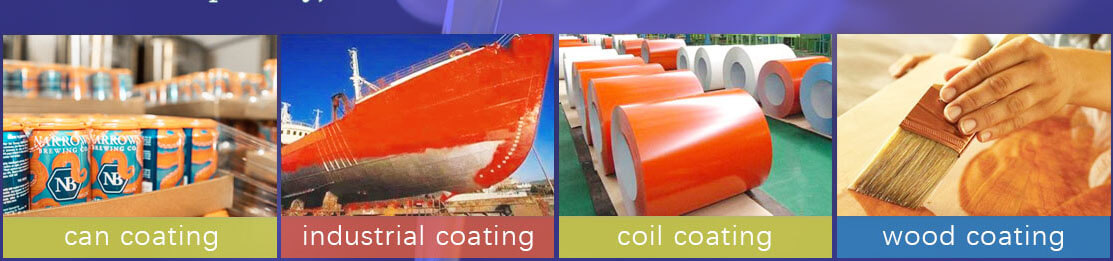
Wax powder is suitable for:
Architectural panels
Home appliance coatings
Metal roofing and siding
Garage doors and window frames
Pre-painted steel and aluminum
It can be used in primer, topcoat, and clear coat systems.
Recommended dosage: 0.5%–2.0% of total coating weight
Particle size:
<5μm for semi-gloss or satin finish
6–10μm for deep matte effect
Compatible with most coil coating systems:
Polyester, PU, PVDF, epoxy
Add during final dispersion phase to ensure proper surface migration
Pro tip: Use a blend of waxes (e.g., PE + PTFE) for balanced matting and slip performance.
Wax Powder vs. Silica Matting Agents
| Property | Wax Powder | Silica Matting Agent |
|---|---|---|
| Scratch Resistance | ★★★★☆ | ★★☆☆☆ |
| Anti-blocking | ★★★★☆ | ★★☆☆☆ |
| Soft-touch Feel | ★★★★☆ | ★★☆☆☆ |
| Cost Efficiency | Moderate | High |
For coil coatings where mechanical strength and durability are key, wax powders offer a clear advantage.
Wax powder is a powerful tool for achieving matte finishes in coil coatings while enhancing surface durability and anti-blocking performance. It helps manufacturers meet both aesthetic trends and functional demands in high-speed, large-volume coating lines.
Want to formulate high-performance matte coil coatings? Contact us today to receive customized wax powder samples and expert support for your coil coating system.
 Leave a message

We’ll get back to you soon