

2026-01-14 Pageview:599
Overprint varnish (OPV) is widely applied in packaging and label printing to protect the printed surface, enhance appearance, and improve handling performance. Beyond aesthetic benefits such as gloss or matte finish, OPV plays a crucial functional role in reducing scuffing, blocking, and surface damage during downstream processing and logistics. Among the key components that determine OPV performance, wax additives are essential for delivering reliable slip and scuff resistance.
During printing and converting, printed materials are subjected to mechanical stress from stacking, rewinding, cutting, and transportation. Without adequate surface protection, even high-quality inks can suffer from abrasion, leading to color loss and surface defects. OPV acts as a protective top layer, but its effectiveness depends on the balance between film hardness, flexibility, and surface lubricity.
Wax additives enhance OPV performance by forming a microscopic protective layer at the surface of the varnish film. This layer reduces the coefficient of friction, allowing printed materials to slide against each other rather than abrade. As a result, scuff marks are minimized, and the visual quality of the printed surface is preserved throughout the supply chain.
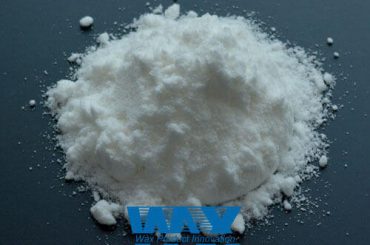
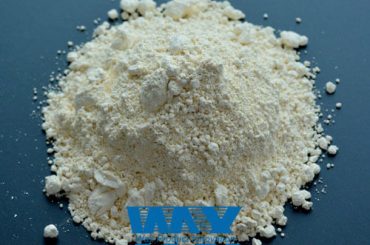
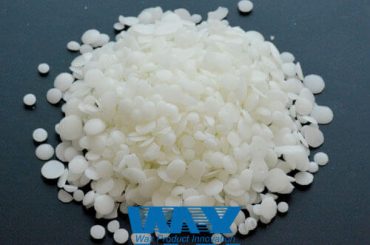
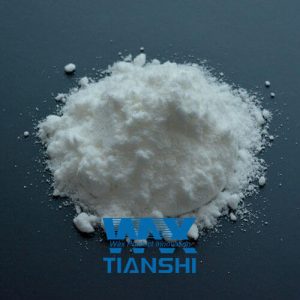
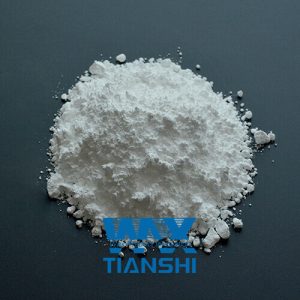
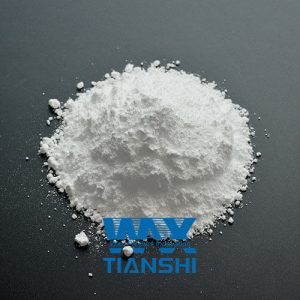
The choice of wax type is critical. Polyethylene wax provides a balanced combination of slip, abrasion resistance, and compatibility with both water-based and solvent-based OPV systems. Polypropylene wax, with its higher hardness, offers superior scratch resistance for demanding packaging applications. For premium or specialized uses, modified synthetic waxes can deliver enhanced surface durability without negatively affecting optical properties.
Particle size and dispersion quality strongly influence performance. Finely micronized wax particles distribute evenly within the OPV matrix and migrate effectively to the surface during drying or curing. This ensures consistent slip and scuff resistance across the coated surface. Poor dispersion, on the other hand, can result in uneven protection, surface defects, or reduced transparency.
Gloss control is another important aspect. OPV is often used to achieve specific visual effects, from high-gloss finishes on consumer packaging to matte coatings for premium branding. Wax additives must be carefully selected to maintain the desired appearance. While some waxes may slightly reduce gloss due to surface micro-texturing, properly engineered grades can provide protection without compromising visual quality.
Compatibility with downstream processes is also essential. OPV-treated surfaces must remain suitable for further operations such as lamination, hot stamping, or adhesive bonding. High-quality wax additives improve surface slip while maintaining adequate adhesion for subsequent layers, ensuring that protective benefits do not interfere with production requirements.
In water-based OPV systems, the use of wax emulsions allows easy incorporation and stable processing. For UV-curable OPV, micronized wax powders are often preferred due to their excellent scratch resistance and minimal impact on curing behavior. Selecting the appropriate format ensures both performance and process efficiency.
From a commercial perspective, improving OPV performance with wax additives reduces product returns, enhances brand image, and supports the increasing quality expectations of packaging markets. As sustainability becomes more important, modern wax technologies also offer low-VOC and environmentally compliant options compatible with eco-friendly coatings.
If your overprint varnish requires better slip, reduced scuffing, or enhanced surface protection, our wax additives can be customized for water-based, solvent-based, or UV OPV systems. Contact us to discuss your application and receive technical support for improving durability and print quality.
 Leave a message

We’ll get back to you soon