

2026-01-14 Pageview:336
High-speed flexographic printing demands precise control over ink performance. As press speeds increase to meet productivity targets, issues such as blocking, smearing, and surface damage become more pronounced. Among the key surface properties influencing print quality and process stability, slip plays a central role. Insufficient slip leads to excessive friction between printed surfaces, causing scuffing, ink transfer, and operational inefficiencies.
Slip refers to the ability of a printed surface to move smoothly against another surface without sticking or abrasion. In high-speed flexo printing, printed webs are rapidly rewound, stacked, and converted, subjecting ink films to repeated mechanical contact. If friction is too high, defects appear quickly, reducing print quality and increasing waste.

Improving slip begins with understanding the formulation of the ink. Resin selection, pigment dispersion, and film formation all influence surface behavior. However, modifying these core components alone often fails to provide sufficient surface lubricity without compromising other properties such as adhesion or color strength. This is why slip additives, particularly wax-based additives, are widely used in flexo inks.
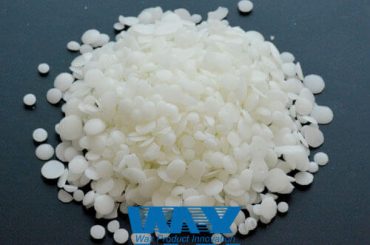
Wax additives function by migrating to the surface of the ink film during drying. Once at the surface, they form a micro-layer that reduces friction and protects the underlying ink from mechanical stress. This mechanism allows printers to achieve smoother handling without altering the fundamental characteristics of the ink formulation.
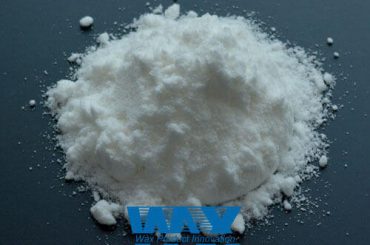
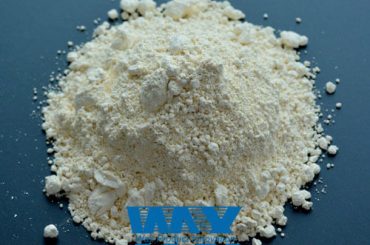
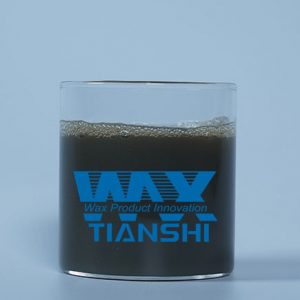
In water-based flexo inks, wax emulsions are commonly used due to their ease of incorporation and compatibility with aqueous systems. They provide reliable slip improvement and moderate abrasion resistance, making them suitable for many packaging and label applications. For higher performance requirements, micronized wax powders—such as polyethylene or polypropylene wax—offer enhanced surface durability and lower coefficients of friction.
The selection of wax type depends on the balance between slip, scratch resistance, and visual properties. Polyethylene wax delivers good slip and balanced abrasion resistance, while polypropylene wax offers higher hardness and improved scratch protection for demanding applications. In specialized cases, modified synthetic waxes may be used to achieve ultra-low friction without affecting curing or adhesion.
Dosage and dispersion are critical factors. Insufficient wax levels may fail to deliver adequate slip, while excessive loading can lead to surface haze, reduced gloss, or printability issues. Proper dispersion ensures uniform surface coverage and consistent performance across the printed web. In high-speed production environments, stable and reproducible dispersion is essential to avoid downtime and quality fluctuations.
Improving slip also has operational benefits. Reduced friction minimizes blocking during rewinding and stacking, lowers the risk of ink transfer between layers, and enhances overall process efficiency. This not only improves product quality but also reduces waste and increases throughput.
As packaging markets demand higher performance and faster turnaround, the role of functional additives in flexo inks continues to grow. Advances in wax technology now allow formulators to fine-tune surface properties while meeting environmental standards for low-VOC and water-based systems.
By carefully selecting and optimizing wax additives, printers can achieve the slip performance required for high-speed flexo printing without sacrificing print quality or process stability.
If you are facing blocking, scuffing, or handling issues in high-speed flexo printing, our wax additives can help optimize slip and surface durability. Contact us to share your ink system and production conditions, and we will recommend the most effective solution for your application.
 Leave a message

We’ll get back to you soon