

2026-01-15 Pageview:86
Pigment dispersion is one of the most critical factors in masterbatch production. Whether producing color masterbatch, additive masterbatch, or functional concentrates, poor dispersion directly affects color strength, surface appearance, mechanical properties, and downstream processing stability. Problems such as color streaks, specks, uneven opacity, and inconsistent performance often originate from insufficient dispersion during compounding.
At its core, dispersion is the process of breaking down pigment agglomerates and distributing them uniformly within the polymer carrier. Pigments, especially inorganic types such as titanium dioxide or carbon black, naturally form clusters due to strong intermolecular forces. Without sufficient shear and proper formulation design, these agglomerates remain intact, leading to visual defects and reduced functional efficiency.

Improving pigment dispersion requires a combination of mechanical energy and chemical assistance. While high-shear mixing, optimized screw design, and appropriate temperature profiles are essential, they are often not enough on their own. Excessive mechanical force can increase energy consumption, accelerate equipment wear, and even degrade sensitive polymers. This is why functional additives play a vital role in achieving efficient and stable dispersion.
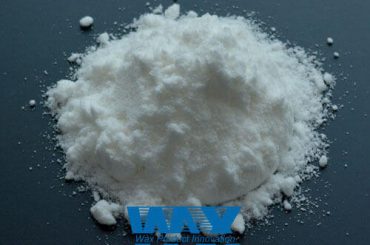
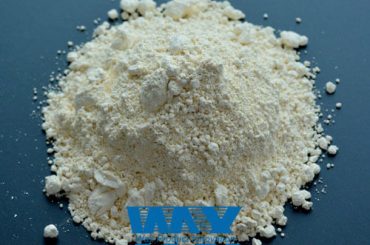
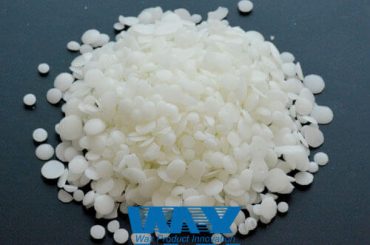
Wax additives are widely used in masterbatch formulations to improve pigment wetting, reduce melt viscosity, and enhance the distribution of solid particles within the polymer matrix. By lowering interfacial tension between pigment surfaces and the polymer melt, waxes promote faster wetting and help break down agglomerates during compounding. This results in more uniform dispersion with less mechanical stress.
Polyethylene (PE) wax is one of the most commonly used additives in masterbatch production. It acts as a processing aid, improving flow behavior and enabling pigments to distribute more evenly throughout the carrier resin. In high-pigment-load masterbatches, where viscosity is inherently high, PE wax reduces internal friction, allowing better shear transmission and more efficient dispersion.
Particle size and compatibility are key factors in wax performance. Finely micronized waxes disperse uniformly within the polymer melt and interact effectively with pigment surfaces. Poorly dispersed additives, on the other hand, may create defects or interfere with color development. Selecting a wax grade compatible with the carrier polymer—such as PE, PP, or EVA—is essential for achieving stable results.
In addition to improving dispersion, wax additives contribute to processing efficiency. Better flow behavior reduces torque and energy consumption, allowing higher throughput and more stable production. This is particularly important in twin-screw extrusion, where maintaining consistent pressure and temperature profiles is critical for product quality.
Another important aspect is color strength. Well-dispersed pigments exhibit higher tinting strength, meaning less pigment is required to achieve the same color intensity. This not only improves visual consistency but also reduces formulation cost. For high-value pigments or specialty color masterbatches, the economic impact of improved dispersion can be significant.
Downstream performance also benefits from optimized dispersion. In injection molding, extrusion, or film production, evenly distributed pigments minimize surface defects and ensure consistent appearance across batches. For functional masterbatches—such as UV stabilizers or anti-block agents—uniform distribution is essential to guarantee consistent performance in the final product.
It is important to note that wax additives are not a one-size-fits-all solution. Dosage levels must be carefully optimized to avoid negative effects such as reduced mechanical strength or surface migration. Laboratory trials and pilot production are recommended to fine-tune formulations based on specific pigment types, carrier resins, and processing conditions.
If you are facing poor pigment dispersion, color streaks, or inconsistent quality in your masterbatch production, our wax additives can help improve wetting, flow, and particle distribution. Contact us with your pigment type, carrier polymer, and processing method to receive a tailored technical solution for better dispersion and stable production.
 Leave a message

We’ll get back to you soon