

2026-03-12 Pageview:11
UV printing inks have become increasingly popular in the printing industry because of their fast curing speed, high gloss, and excellent print definition. They are widely used in labels, packaging, commercial printing, and decorative applications. However, despite their many advantages, UV inks can sometimes exhibit insufficient scratch resistance, especially when printed materials are exposed to mechanical friction.
Improving scratch resistance is therefore an important objective when formulating UV printing inks. One of the most effective approaches is the incorporation of micronized wax additives.
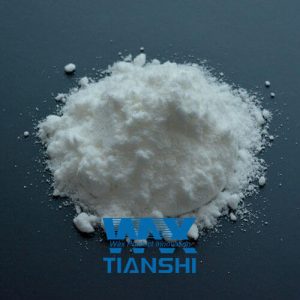
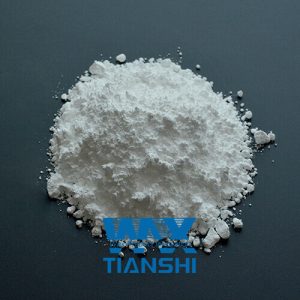
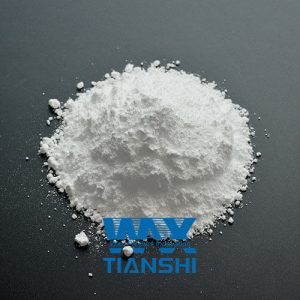
Micronized wax consists of extremely fine wax particles produced through controlled grinding or specialized manufacturing processes. These particles can be uniformly dispersed in UV ink formulations without significantly affecting ink viscosity or printing performance.
When UV inks are cured under ultraviolet light, a crosslinked polymer network forms on the printed surface. During this curing process, wax particles migrate toward the outer layer of the ink film. This migration creates a micro-layer enriched with wax particles that provides surface lubrication and protection.
The presence of this wax layer reduces friction between the printed surface and external objects. Instead of directly scratching the ink film, objects tend to glide across the surface, significantly reducing visible surface damage.
Polyethylene wax is often used in UV inks because it provides balanced slip and scratch resistance while maintaining good compatibility with common UV resin systems. Polypropylene wax offers higher hardness and can further improve abrasion resistance in demanding printing applications.
For high-performance UV inks used in premium packaging or industrial labels, PTFE-modified micronized wax may be used. PTFE wax provides extremely low friction and outstanding wear resistance, making it particularly effective in preventing scratches and scuffing.
In addition to improving scratch resistance, micronized wax additives also enhance other surface properties. These include improved slip, better anti-blocking behavior, and increased abrasion resistance. These benefits are especially important for printed materials that undergo stacking, cutting, or transportation after printing.
However, the effectiveness of wax additives depends heavily on proper dispersion within the ink formulation. Agglomerated wax particles can lead to surface defects or inconsistent performance. Therefore, formulators must ensure adequate mixing and dispersion during ink production.
Particle size is another critical parameter. Smaller particles generally produce smoother surfaces and minimal impact on gloss, while larger particles may reduce transparency or cause surface roughness.
Dosage levels should also be optimized through testing. While small amounts of micronized wax can significantly improve surface durability, excessive loading may reduce gloss or affect print appearance.
As UV printing technology continues to expand into high-value packaging and specialty printing markets, improving the durability of UV inks becomes increasingly important. Micronized wax additives offer a practical and efficient solution for enhancing scratch resistance while maintaining excellent print quality.
If you are formulating UV printing inks and looking for reliable additives to improve scratch resistance and surface durability, our micronized wax products are specifically designed for UV ink applications. Contact us to learn more about our product range and request technical support or samples.
 Leave a message

We’ll get back to you soon