

2025-11-07 Pageview:185
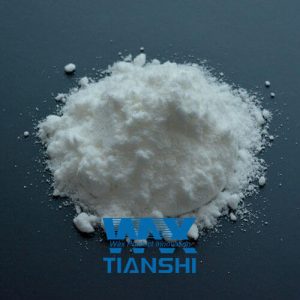
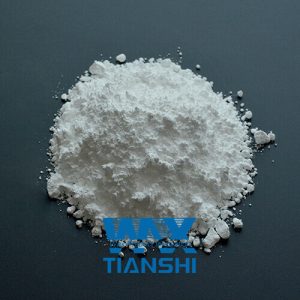
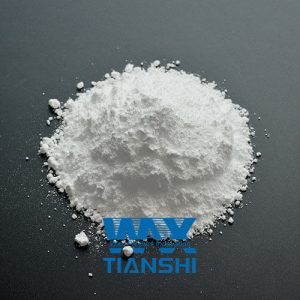
In the world of hot melt adhesives, performance depends on achieving the perfect combination of bonding strength, heat resistance, and processing stability. Oxidized polyethylene (PE) wax has become an essential modifier for improving these key parameters. Its unique structure — featuring a balanced molecular weight and polar functional groups — allows it to enhance both the adhesion and durability of hot melt formulations.
Oxidized PE wax serves multiple roles. It improves compatibility between polymers and tackifiers, ensuring a more uniform and stable mixture. During the melting process, the wax acts as a flow modifier, lowering melt viscosity and enabling smooth coating and application. This leads to more consistent adhesive layers, especially in high-speed assembly or packaging lines.
Another crucial benefit is improved heat resistance. Adhesives modified with oxidized PE wax maintain their cohesive strength even at elevated temperatures, reducing issues like stringing, dripping, or surface tackiness. Additionally, the wax provides excellent oxidation stability, preventing yellowing or degradation during long-term storage and repeated heating cycles.
For packaging, woodworking, and nonwoven applications, the addition of oxidized PE wax ensures better surface wetting, enhanced open time control, and cleaner release from application equipment. Compared to paraffin or Fischer–Tropsch waxes, oxidized PE wax offers superior polarity and film strength, which translates into more reliable bonding and a neater finished appearance.
If you’re formulating hot melt adhesives that require both processing ease and high-temperature endurance, TIANSWAX oxidized PE wax is your dependable choice. Contact us today to get formulation support and find the right wax solution tailored to your adhesive system.
 Leave a message

We’ll get back to you soon