

2026-04-15 Pageview:79
Polyethylene (PE) wax is one of the most widely used additives in coatings, inks, plastics, and various industrial formulations. However, not all PE waxes are the same. One of the most important distinctions is between oxidized PE wax and normal (non-oxidized) PE wax.
Understanding the differences between these two types is essential for selecting the right material and achieving optimal formulation performance.
Normal PE wax is a non-polar material composed of long-chain hydrocarbons. It is typically used to improve slip, scratch resistance, lubrication, and processing performance. Due to its non-polar nature, it has limited compatibility with polar systems such as water-based coatings or certain resin systems.

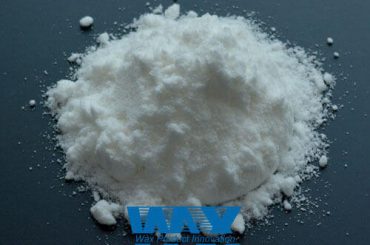
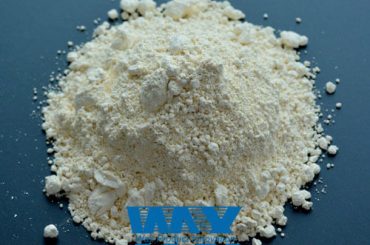
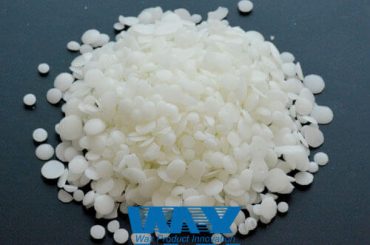
wax additive
Oxidized PE wax, on the other hand, contains functional groups such as carboxylic acids introduced during the oxidation process. These polar groups significantly change the behavior of the wax and expand its range of applications.
One of the key differences is polarity. Oxidized PE wax is more polar than normal PE wax, which improves its compatibility with polar systems. This makes it particularly suitable for water-based coatings, inks, and emulsions.
Because of its improved polarity, oxidized PE wax also has better dispersibility. It can be more easily incorporated into formulations and tends to form more stable dispersions or emulsions.
Another important difference is adhesion. Oxidized PE wax can improve adhesion between layers or between the coating and substrate. This is especially useful in applications where intercoat adhesion is critical.
In contrast, normal PE wax is primarily used for surface modification. It migrates to the surface to provide slip and scratch resistance but does not significantly contribute to adhesion.
In terms of lubrication, both types of wax can reduce friction. However, normal PE wax often provides stronger external lubrication due to its lower polarity and easier migration.
Oxidized PE wax may offer a more balanced performance, combining lubrication with improved compatibility and stability.
Melting point and hardness are generally similar between the two, although specific grades may vary depending on production methods.
Application differences are significant. Normal PE wax is widely used in solvent-based coatings, plastics processing (especially PVC), and applications where strong slip and lubrication are required.
Oxidized PE wax is more commonly used in water-based systems, textile finishing, and applications requiring good dispersion and compatibility.
Cost is another factor. Oxidized PE wax is usually slightly more expensive due to the additional processing involved. However, its improved performance in certain systems often justifies the cost.
In many formulations, the choice between oxidized and normal PE wax depends on the balance between compatibility and surface performance.
In some cases, both types may be used together to achieve optimal results.
As formulation technologies continue to evolve, understanding the role of different wax types becomes increasingly important.
If you are unsure whether oxidized PE wax or normal PE wax is the right choice for your application, our technical team can help you select the most suitable product based on your formulation needs. Contact us for expert support and sample testing.
 Leave a message

We’ll get back to you soon