

2026-06-05 Pageview:43
Gravure and flexographic printing technologies dominate the global packaging industry. From flexible packaging films and labels to food packaging and consumer products, these printing methods require inks capable of withstanding harsh processing and transportation conditions while maintaining superior print quality.
One of the major challenges facing packaging inks is surface damage caused by friction and abrasion. During printing, rewinding, laminating, bag making, and shipping, the printed surface is constantly subjected to mechanical contact. Without sufficient protection, the ink film may suffer scratches, abrasions, or a decline in print quality.

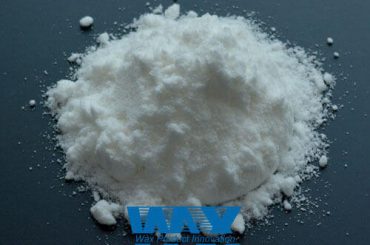
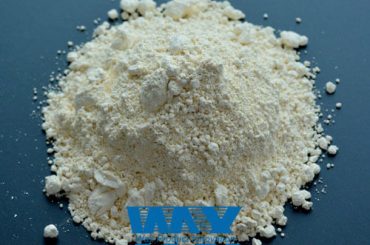
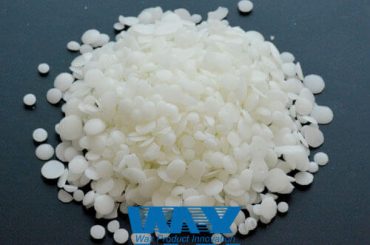
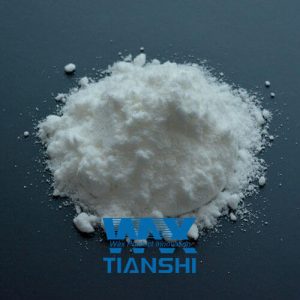
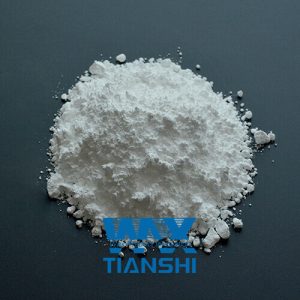
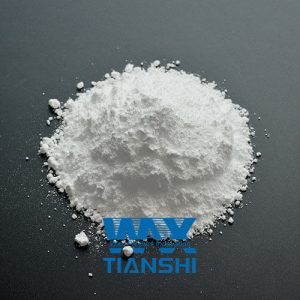
Fischer-Tropsch wax is widely used in gravure and flexographic printing inks to enhance surface protection and improve production efficiency. Fischer-Tropsch wax is a high-performance synthetic wax known for its high hardness, narrow molecular weight distribution, and excellent abrasion resistance.
When added to printing inks, micron-sized Fischer-Tropsch wax particles form a protective layer on the ink surface after drying. This coating helps reduce friction and improves scratch and abrasion resistance.
Improved slip properties are one of the main reasons formulators use Fischer-Tropsch wax. Reducing surface friction allows printed materials to pass smoothly through processing equipment, minimizing production interruptions and reducing damage to printed patterns.
Fischer-Tropsch waxes also significantly improve anti-blocking properties. Flexible packaging films are typically rolled up immediately after printing. Fischer-Tropsch waxes help prevent layers from sticking together under pressure by reducing surface tack and friction.
Abrasion resistance is another important advantage. Packaging materials are frequently subjected to friction during transportation and retail handling. Fischer-Tropsch waxes help maintain print quality by protecting the ink surface from abrasion.
Compared to traditional paraffin waxes, Fischer-Tropsch waxes have higher hardness and better thermal stability. These properties contribute to providing more durable surface protection and longer-lasting performance.
Choosing the appropriate Fischer-Tropsch wax grade depends on factors such as particle size, melting point, and formulation compatibility. Finely micronized waxes typically achieve the best balance between surface protection and print quality.
Many ink manufacturers blend Fischer-Tropsch waxes with polyethylene waxes or polytetrafluoroethylene waxes to achieve customized performance for specific packaging applications.
As packaging standards continue to rise, gravure and flexographic ink manufacturers require additives that combine durability and processing efficiency. Fischer-Tropsch wax offers an effective solution, improving ink smoothness, abrasion resistance, and anti-blocking properties without compromising print quality.
TIANSWAX offers a range of Fischer-Tropsch wax products specifically designed for gravure, flexographic, and other packaging applications. Contact us for technical support and free samples.
 Leave a message

We’ll get back to you soon