

2026-01-12 Pageview:325
Polypropylene wax, commonly known as PP wax, is a high-performance synthetic wax derived from polypropylene polymers. Compared with traditional waxes such as paraffin or polyethylene wax, polypropylene wax is characterized by higher hardness, higher melting point, and excellent chemical stability. These properties make it particularly suitable for industrial applications that require superior surface protection, abrasion resistance, and process reliability. As manufacturers continue to demand better durability, cleaner processing, and more consistent quality, polypropylene wax has become an important functional additive across coatings, printing inks, plastics, rubber, and related industries.
In coatings, the primary use of polypropylene wax is to enhance surface performance. When added to solvent-based, water-based, or powder coating formulations, PP wax migrates toward the surface during film formation and creates a thin, protective layer. This layer significantly improves scratch resistance, abrasion resistance, and mar resistance while reducing surface friction. In industrial and protective coatings, such as metal coatings, floor coatings, and machinery coatings, polypropylene wax helps maintain surface integrity under repeated mechanical contact, transportation, and installation. Unlike softer waxes, PP wax provides a harder protective effect, making it ideal for applications where long-term durability is critical.
Another important function of polypropylene wax in coatings is improving slip and anti-blocking performance. In manufacturing environments, coated parts are often stacked, packed, or transported before final use. Without adequate surface lubrication, coatings may stick together or suffer surface damage. PP wax reduces the coefficient of friction and prevents blocking, ensuring that coated components can be handled efficiently without compromising appearance or performance. At the same time, properly selected PP wax grades maintain good transparency and do not significantly affect gloss, making them suitable for both decorative and functional coatings.
In the printing ink industry, polypropylene wax is widely used to improve rub resistance, scuff resistance, and slip. Packaging, labels, and printed materials are frequently exposed to friction during production, transport, and end use. By incorporating PP wax in micronized or dispersion form, ink formulators can protect the printed surface from abrasion while preserving color strength and print clarity. Compared with softer waxes, polypropylene wax offers higher hardness, which translates into better resistance against mechanical wear. This is especially valuable in packaging inks, flexographic inks, gravure inks, and overprint varnishes where durability and visual quality must coexist.
Polypropylene wax also plays a crucial role in plastics and masterbatch applications. In thermoplastic processing, PP wax is often used as a processing aid and internal or external lubricant. It improves melt flow, reduces viscosity, and enhances dispersion of pigments and fillers, allowing manufacturers to achieve more stable processing conditions and better surface finish of molded or extruded products. In color masterbatches, PP wax helps distribute pigments uniformly within the polymer matrix, resulting in consistent coloration and improved appearance. Additionally, its high thermal stability ensures that it performs reliably under the elevated temperatures typical of polymer processing.
In rubber, adhesives, and sealants, polypropylene wax contributes to surface smoothness, release properties, and wear resistance. In rubber compounds, it can improve surface durability and reduce tackiness, making products easier to handle and process. In hot-melt adhesives and industrial sealants, PP wax is used to adjust viscosity, open time, and surface characteristics, helping formulators fine-tune performance for specific applications. Because of its chemical resistance, polypropylene wax maintains stable performance even in demanding environments involving oils, chemicals, and temperature fluctuations.
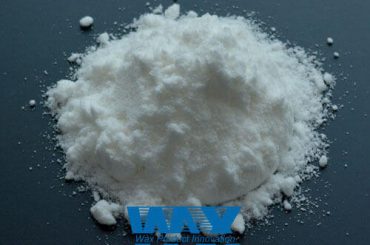
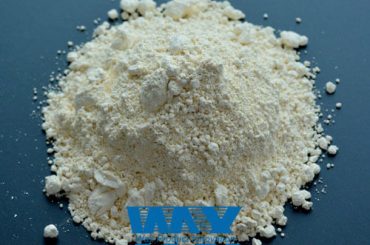
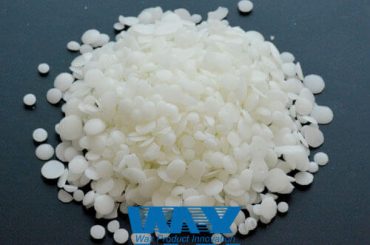
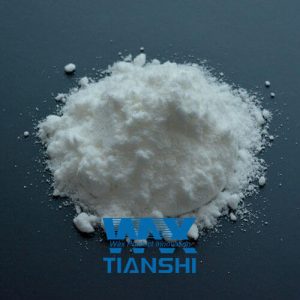
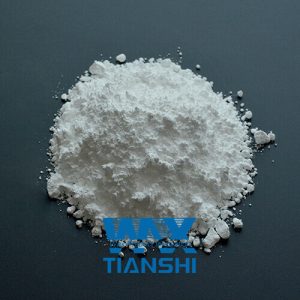
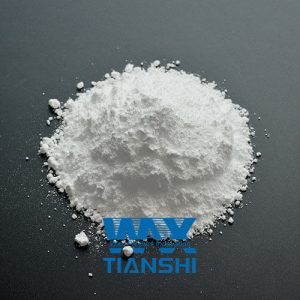
From a formulation perspective, polypropylene wax is available in various physical forms, including micronized powders, flakes, pellets, and dispersions. Micronized PP wax is particularly suitable for coatings and inks, where fine particle size ensures uniform distribution and smooth surface effects. Dispersions and emulsions are commonly used in water-based systems, offering easy incorporation and stable processing. The selection of particle size, melting point, and surface treatment allows manufacturers to customize performance according to specific application requirements.
Sustainability and regulatory compliance are increasingly important across industrial sectors. Many modern polypropylene wax products are designed to meet global environmental standards, including low VOC requirements and restrictions on hazardous substances. This makes them suitable for use in environmentally friendly coatings, inks, and plastic formulations without compromising performance. As industries transition toward more sustainable production, PP wax provides a practical balance between functional enhancement and regulatory compliance.
In real-world applications, polypropylene wax is widely used in metal coatings to prevent surface damage during handling, in industrial floor coatings to improve abrasion resistance, in packaging inks to protect printed designs, and in plastic products to enhance processing efficiency and surface quality. Its versatility across different systems allows manufacturers to standardize on a single high-performance additive while achieving consistent improvements in durability and surface protection.
Understanding what polypropylene wax is used for ultimately comes down to its core strengths: hardness, stability, and surface performance. Whether the goal is to protect a coating from scratches, improve the rub resistance of an ink, enhance the processing of plastics, or optimize the performance of rubber and adhesives, PP wax delivers reliable, measurable benefits. By selecting the right grade and dosage, formulators can precisely control surface properties and product quality across a wide range of industrial applications.
If you are looking to improve durability, surface protection, or processing performance in your coatings, inks, plastics, or related formulations, polypropylene wax can be a highly effective solution. Our company supplies a full range of polypropylene wax products in powder, dispersion, and customized forms for different industries. Contact us today to discuss your application requirements, receive technical recommendations, or request samples for evaluation. We are ready to support your development and help you achieve better product performance and stronger market competitiveness.
 Leave a message

We’ll get back to you soon