

2026-06-05 Pageview:146
Water-based flexographic printing inks are widely used in corrugated packaging, paper bags, labels, tissue packaging, and food packaging. With environmental regulations continuously driving the development of low-volatile organic compound (VOC) printing technologies, water-based inks have become an increasingly important solution for packaging printers worldwide.
Despite the environmental advantages of water-based flexographic printing inks, they still face many challenges regarding surface durability and processing performance. During printing, rewinding, transportation, and storage, the printed surface may experience scratches, abrasion, sticking, or poor slip. These problems reduce print quality and affect production efficiency.
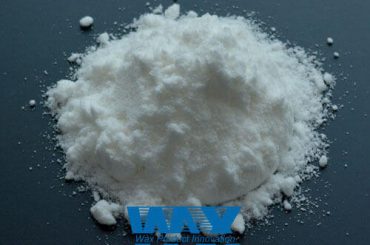
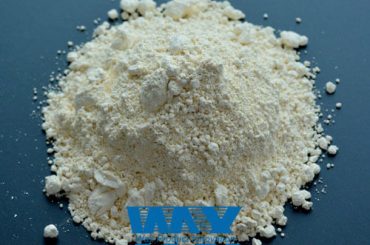
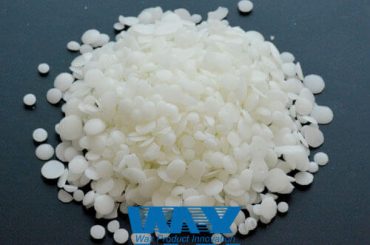
Fischer-Tropsch wax has become one of the most effective additives for improving the performance of water-based flexographic printing inks. Produced using a synthetic process, Fischer-Tropsch wax possesses high purity, high hardness, and excellent thermal stability. Compared to traditional paraffin wax, Fischer-Tropsch wax offers superior abrasion resistance and more stable surface protection.

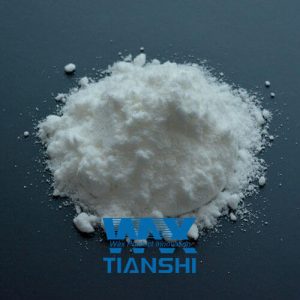
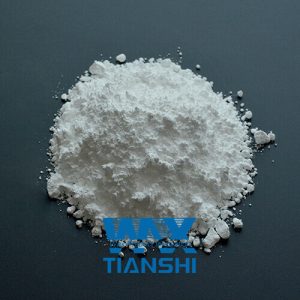
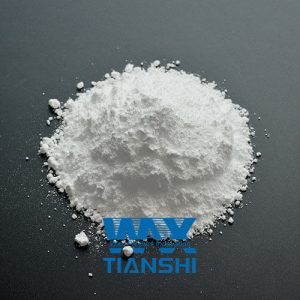
When micronized FT wax is added to a water-based ink formulation, the wax particles migrate to the ink film surface during the drying process. This forms a thin protective layer, reducing friction and enhancing surface durability. Therefore, printed materials are more resistant to friction and scratches during handling and transportation.
One of the most significant advantages of FT wax is improved slip properties. Lower surface friction allows printed substrates to pass smoothly through high-speed processing equipment, reducing the risk of damage to the printed pattern. This is especially important for flexible packaging applications where production efficiency is critical.
FT wax also provides excellent anti-blocking properties. Printed films and sheets are often stacked or rolled up shortly after printing. Excessive surface tack can cause material to stick together, leading to production problems and printing defects. The lubricating properties of FT wax help minimize sticking and improve handling performance.
Another advantage is improved abrasion resistance. Packaging materials are frequently subjected to abrasion during transportation and retail. The hard surface layer formed by FT wax helps protect the ink film and maintain print quality throughout the supply chain.
Finely micronized Fischer-Tropsch wax is often the preferred additive for water-based flexographic printing inks because it provides excellent slip and abrasion resistance while maintaining good gloss and print appearance. Typical addition levels range from 0.5% to 3%, depending on the formulation.
As packaging manufacturers continue to demand higher print quality and faster production speeds, Fischer-Tropsch wax remains an important additive for water-based flexographic printing inks. Its ability to improve slip, anti-blocking properties, and abrasion resistance makes it ideal for modern packaging applications.
Tiens Wax provides high-quality Fischer-Tropsch wax additives for water-based inks, coatings, plastics, and other industrial applications. Contact our technical team today for product recommendations and formulation support.
 Leave a message

We’ll get back to you soon