

2026-06-08 Pageview:121
Blocking is a common problem in printing and packaging applications. It occurs when printed surfaces stick together during storage, rewinding, stacking, or transportation. Blocking leads to printing defects, reduced productivity, material waste, and customer complaints. With ever-increasing packaging production speeds, controlling blocking has become a critical requirement for ink formulators.
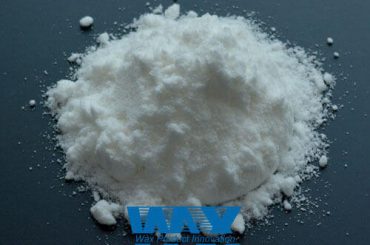
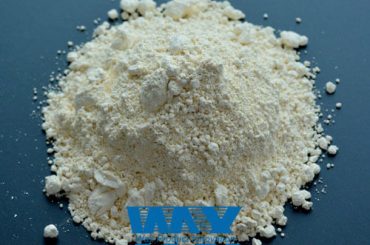
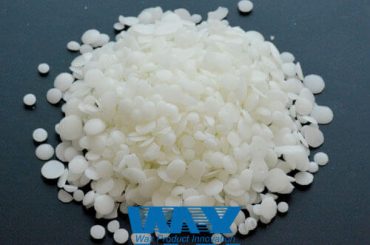
One of the most effective solutions for improving anti-blocking performance is the use of Fischer-Tropsch wax. Known for its high hardness, excellent thermal stability, and narrow molecular weight distribution, Fischer-Tropsch wax has become a widely used additive in packaging inks, varnishes, and surface coatings.
When micronized Fischer-Tropsch wax is added to printing ink formulations, the wax particles migrate to the ink film surface during drying. This migration forms a microscopic protective layer, reducing surface tack and minimizing direct contact between adjacent printed surfaces. Therefore, the tendency for materials to block is significantly reduced.

Anti-blocking properties are particularly important for flexible packaging films and labels. After printing, these materials are typically wound into rolls under pressure. Insufficient anti-blocking properties can cause layers to stick together, leading to printing defects and processing difficulties. Fischer-Tropsch wax helps maintain smooth roll-to-roll flow, improving overall production efficiency.
In addition to anti-blocking properties, Fischer-Tropsch wax improves slip resistance. Lower surface friction allows printed material to pass more smoothly through processing equipment, reducing the risk of scratches and abrasion. Improved slip resistance also helps increase production speed and reduce downtime.
Another advantage is enhanced abrasion resistance. The protective surface layer formed by Fischer-Tropsch wax helps protect the printed pattern from abrasion during transport and handling. This is especially important for packaging applications where high print quality is required.
Compared to traditional paraffin wax, Fischer-Tropsch wax offers higher hardness and more durable surface protection. Its higher melting point also helps it maintain its performance under harsh storage and transportation conditions.
The effectiveness of anti-blocking properties depends on particle size, wax concentration, and formulation compatibility. Finely powdered grades of wax are widely used because they provide excellent anti-blocking properties while maintaining gloss and print quality.
Today, Fischer-Tropsch waxes are widely used in water-based flexographic inks, solvent-based gravure inks, UV inks, and topcoat varnishes. In some formulations, they are blended with PE or PTFE waxes to further optimize performance.
As packaging manufacturers continue to demand higher productivity and better print quality, Fischer-Tropsch waxes remain one of the most reliable anti-blocking additives in modern printing inks.
TIANSWAX provides high-performance Fischer-Tropsch wax products for printing inks, coatings, plastics, and industrial applications. Contact our technical team for formulation advice and product recommendations.
 Leave a message

We’ll get back to you soon