

2026-07-02 Pageview:8
The coefficient of friction (COF) is a key performance parameter for printing inks, especially packaging inks. A lower COF facilitates the smooth movement of printed materials during processing, filling, packaging, and transportation. To meet these performance requirements, ink formulators often use oxidized polyethylene wax as an effective lubricant and surface protectant additive.
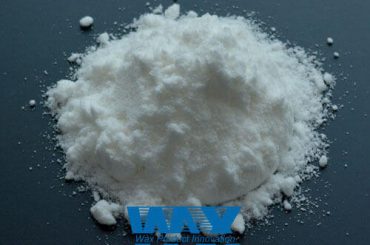
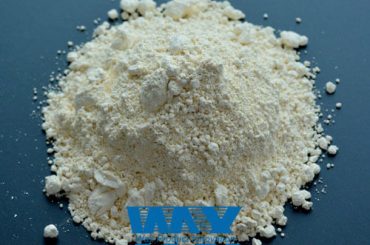
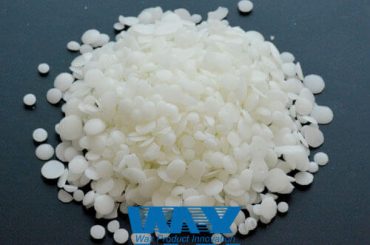
Oxidized polyethylene wax is produced through the controlled oxidation of polyethylene wax, introducing polar functional groups and thus improving its compatibility with ink systems. This allows the wax to disperse efficiently and exhibit stable performance in both water-based and solvent-based inks.

One of the main advantages of oxidized polyethylene wax is its ability to reduce surface friction. During the drying process, wax particles migrate to the ink surface, forming a protective layer that reduces the COF.
Reducing the COF improves operational characteristics throughout the packaging supply chain. Printed films, labels, cartons, and flexible packaging materials can pass more smoothly through high-speed production and packaging equipment.
Furthermore, this wax enhances lubrication without significantly affecting print quality. Choosing the appropriate grade of oxidized polyethylene wax can improve surface properties while maintaining transparency, color intensity, and appearance.
Another important advantage is improved abrasion resistance. Lower friction helps minimize wear and scratches during transport and storage, thus contributing to long-term print quality maintenance.
Oxidized polyethylene wax is commonly used in flexographic printing inks, gravure printing inks, packaging inks, and water-based printing inks. Flexible packaging applications often rely on low coefficient of friction (COF) properties to ensure efficient processing and reliable product handling.
Compared to conventional wax additives, oxidized polyethylene wax typically offers better compatibility and more stable dispersion characteristics. These advantages help to more consistently control the coefficient of friction and improve the overall performance of the ink.
The ideal addition amount depends on the substrate type, printing process, ink chemistry, and target coefficient of friction. Manufacturers typically optimize the wax addition amount through laboratory and production testing.
Today, oxidized polyethylene wax remains the preferred additive for low-friction printing inks because slip properties, durability, and packaging efficiency are critical performance requirements in these inks.
TIANSWAX offers high-quality oxidized polyethylene wax dispersions and emulsions suitable for low-friction inks, packaging inks, and industrial printing applications. Please contact our technical team for product recommendations and technical support.
 Leave a message

We’ll get back to you soon