

2025-11-10 Pageview:289
In modern textile finishing and printing, achieving the right balance between color vibrancy, hand feel, and durability is a constant technical challenge. As water-based systems continue to replace solvent-based formulations for environmental and regulatory reasons, the performance of auxiliary ingredients becomes even more critical. Among them, wax emulsion plays a pivotal role in improving the softness, smoothness, and color fastness of printed fabrics—qualities that define the commercial and aesthetic value of textile products.
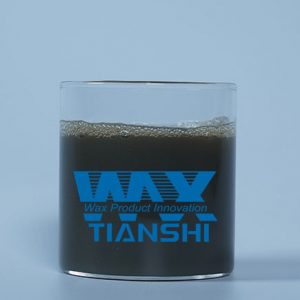
Wax emulsions are finely dispersed wax particles in water, stabilized by surfactants. When incorporated into textile printing pastes or finishing agents, they form a uniform thin film on the fabric surface after drying and curing. This wax layer provides several key benefits: it reduces surface friction, enhances abrasion resistance, and delivers a soft, pleasant touch. Unlike traditional softeners or oils, wax emulsions improve both mechanical and optical properties simultaneously, creating a balance between protection and comfort.

In textile printing, particularly pigment printing, wax emulsions help to overcome one of the most common problems—poor rubbing fastness. Pigment colors sit on the fabric surface rather than being absorbed, which makes them prone to fading or powdering during washing and friction. By incorporating a properly formulated wax emulsion, the surface of the print becomes smoother and less prone to fiber-fiber or pigment-fiber friction. The wax film encapsulates the pigment particles and binds them more securely to the substrate, significantly enhancing dry and wet rub fastness.
Another important benefit lies in softness and flexibility. Many high-performance fabrics, such as cotton knits, polyester blends, and home textiles, demand a soft hand without compromising durability. Wax emulsions—especially those based on polyethylene or carnauba wax—form a microscopic lubricating layer that prevents stiffness and improves fabric drape. When used in combination with crosslinking resins or binders, they maintain softness even after multiple washing cycles.
The role of wax emulsions extends beyond the surface effect. In water-based systems, they can also regulate viscosity, prevent foaming, and improve the overall film uniformity. These characteristics contribute to smoother printing operations, more consistent color laydown, and better reproducibility. Some advanced formulations even offer antistatic and anti-soiling effects, further extending the usability of wax emulsions in functional textiles.
A key factor in achieving optimal performance lies in the type of wax and its particle size. Oxidized polyethylene wax emulsions, for instance, provide excellent compatibility with acrylic, polyurethane, and acrylate-based binders used in textile coatings. Their polar groups enhance adhesion to fibers, while their hard crystalline structure increases resistance to scratching and abrasion. In contrast, softer wax emulsions, such as paraffin-based types, emphasize flexibility and smoothness, making them ideal for soft-touch finishing and lightweight fabrics.
Environmental compliance is another major driver behind the widespread use of water-based wax emulsions. Compared with solvent-based additives, they are VOC-free, odorless, and safer for both operators and end-users. This aligns with global trends in sustainable textile manufacturing, where performance must go hand in hand with eco-friendliness. Many textile processors are switching to non-ionic or anionic wax emulsions that are APEO-free and compliant with Oeko-Tex and REACH standards.
Ultimately, the right wax emulsion formulation depends on the desired fabric effect—glossy or matte, soft or firm, breathable or sealed. With the flexibility of modern polymer chemistry, wax emulsions can be customized to meet specific end-use needs, from fashion printing to technical textiles and home furnishings.
For textile manufacturers and printing houses looking to enhance product quality without compromising process efficiency, TIANSWAX wax emulsions offer a reliable solution. Our water-based wax emulsions are engineered for outstanding compatibility, stability, and performance in textile applications. Whether your goal is improving color fastness, achieving superior softness, or increasing production consistency, we can provide tailored solutions that fit your formulation needs.
Contact TIANSWAX today to learn more about our textile-grade wax emulsions and how they can help you upgrade your water-based printing and finishing systems for better quality, durability, and customer satisfaction.
 Leave a message

We’ll get back to you soon