

2025-11-10 Pageview:255
In masterbatch production, achieving uniform pigment dispersion and smooth polymer processing is the foundation for high-quality color concentrates. As the plastics industry demands more precise color control, higher extrusion efficiency, and better surface finish, the role of processing aids has become increasingly critical. Among these, polyethylene (PE) wax stands out as one of the most effective and widely used additives for optimizing masterbatch performance.
PE wax is a low molecular weight polyethylene with a unique balance of hardness, lubricity, and thermal stability. When incorporated into masterbatch formulations, it acts as both a dispersing agent and a lubricant, improving pigment distribution within the carrier resin while reducing the internal and external friction during extrusion. This dual functionality enhances both processing efficiency and the final product quality.

In color masterbatch production, pigments and fillers must be uniformly dispersed in a polymer carrier such as PE, PP, or EVA. However, pigments—especially organic types—tend to agglomerate due to their high surface energy, resulting in uneven color and lower gloss. The addition of PE wax helps to overcome this issue by wetting pigment surfaces and reducing inter-particle attraction. The wax’s low viscosity at processing temperatures allows pigments to distribute more evenly within the melt, achieving vivid color consistency and smoother surface appearance.
At the same time, PE wax significantly reduces melt viscosity and friction between polymer chains. This internal lubrication lowers the torque and pressure required during extrusion, minimizing energy consumption and improving throughput. Externally, the wax provides a slip layer between the molten polymer and the metal surface of the extruder or die, preventing material buildup and improving demolding performance. These effects not only enhance production efficiency but also extend equipment lifespan.
Thermal stability is another key property that defines the value of PE wax in masterbatch formulations. During high-temperature processing—often exceeding 250°C—low-quality waxes can degrade, releasing volatiles that cause odor, discoloration, or die lip deposits. High-purity, oxidized or non-oxidized PE waxes such as those produced by TIANSWAX are engineered to resist thermal degradation, ensuring stable performance throughout continuous production runs.
The selection of the right PE wax depends on several factors, including pigment type, carrier resin, and processing temperature. High-density PE wax offers excellent hardness and heat resistance, ideal for engineering plastics and high-melting resins. Oxidized PE wax, with polar functional groups, provides better compatibility with polar resins such as EVA or polyamide, and enhances pigment wetting efficiency. For systems requiring high gloss or low coefficient of friction, a low-viscosity PE wax delivers optimal flow and surface performance.
PE wax also contributes to improved surface quality and mechanical properties of the final product. In film and molded applications, it helps achieve a smoother finish, reduces surface defects, and minimizes pigment migration. In addition, PE wax improves the slip behavior of masterbatches used in packaging, wire & cable, and injection molding industries—ensuring stable processing and cleaner surfaces.
From a formulation perspective, PE wax allows for more efficient pigment utilization. Because of its dispersing power, the same color strength can be achieved with less pigment loading, leading to cost savings. It also enhances compatibility between pigments and polymer carriers, which helps prevent color separation or specking during extrusion and molding.
Sustainability is increasingly shaping the plastics industry, and modern PE waxes are designed to align with these goals. Water-based or low-VOC versions can be integrated into environmentally friendly masterbatch production. Additionally, their long-term stability reduces material waste and rework rates, contributing to greener manufacturing practices.
For compounders and masterbatch manufacturers seeking to optimize production efficiency, improve dispersion, and maintain consistent color performance, PE wax remains an indispensable ingredient. Its versatility and process-enhancing benefits make it an essential tool across a wide range of applications—from packaging and film extrusion to engineering plastics and fibers.
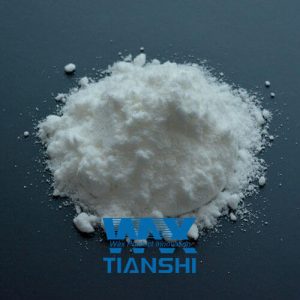
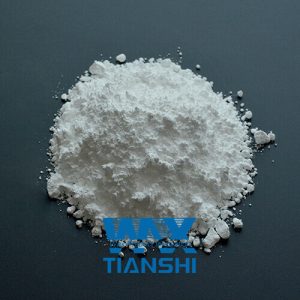
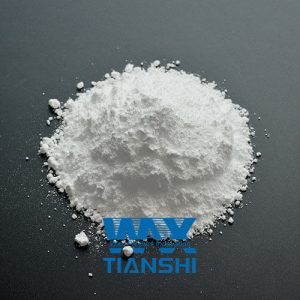
At TIANSWAX, we offer a full range of high-purity PE waxes tailored to different masterbatch systems. Our products ensure excellent pigment dispersion, consistent processing behavior, and superior surface quality. Whether you need oxidized PE wax for improved compatibility or non-oxidized grades for maximum lubrication, our team can help you select the right solution to meet your production and performance goals.
Contact TIANSWAX today to learn how our PE wax solutions can help you improve masterbatch quality, increase extrusion efficiency, and achieve stable, high-performance results in your polymer processing.
 Leave a message

We’ll get back to you soon