

2025-12-09 Pageview:310
Wax additives play a fundamental role in modern wood coating formulations, supporting the need for both aesthetic appeal and long-term protection. Wood surfaces—whether used in furniture, flooring, cabinetry, or decorative materials—require coatings that can deliver scratch resistance, smooth touch, clarity, and durability. As consumer expectations increase and environmental regulations push toward water-based technologies, wax additives such as micronized wax, wax emulsions, and wax dispersions have become indispensable in delivering high-performance surface properties. Their ability to provide slip, smoothness, matting, and water resistance makes them essential tools for formulators working in both solvent-based and water-based wood coatings.
The slip performance provided by wax additives is especially important for maintaining the appearance and tactile quality of wood coatings. Wood surfaces are frequently touched, cleaned, and moved, which leads to abrasion and surface burnishing. Micronized polyethylene wax (PE wax) and polypropylene wax (PP wax) reduce the coefficient of friction by forming a micro-thin protective layer on the coating surface. This layer prevents objects from dragging directly against the coating film, reducing the likelihood of scratches, scuffs, or gloss changes. For industries such as parquet flooring and high-use furniture, achieving this slip performance is critical to maintaining the visual integrity of the coated wood.

Beyond slip, wax additives significantly influence the smoothness and overall tactile feel of wood coatings. Micronized wax particles offer controlled texture and improve hand-feel, enabling coatings to deliver a soft, silky, or velvety surface effect. In premium wood finishes—such as piano wood coatings or high-end furniture—the “touch quality” often becomes a key differentiator, and wax additives help create a more refined and consistent finish. By reducing surface irregularities and leveling imperfections, wax additives contribute to a more uniform film, enhancing the clarity and appearance of stained or natural wood grains.
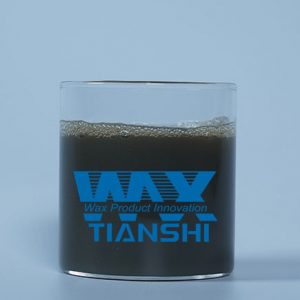
Water resistance is another major advantage wax additives bring to wood coatings. Wood is naturally porous and sensitive to moisture, and coatings must provide a reliable barrier to prevent swelling, discoloration, and structural damage. Wax emulsions are particularly effective in water-based wood coatings because their polar nature enables them to integrate uniformly into the polymer network. Once the coating cures, the wax migrates to the surface to form a hydrophobic layer that repels water. This reduces water absorption, minimizes ring marks, and improves resistance to household chemicals, making wax emulsions a critical component for indoor and outdoor wood protection.
Wax additives also contribute to abrasion resistance, a property essential for flooring and heavily used wooden surfaces. Micronized waxes, especially those with high melting points, provide enhanced toughness at the coating surface. During mechanical contact, wax particles distribute stress and prevent the coating film from breaking down. This results in improved resistance to wear, better durability, and longer service life. In commercial applications—such as hotel floors, restaurant tables, and public interiors—this improvement in abrasion resistance is especially valuable.
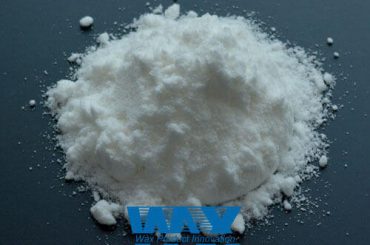
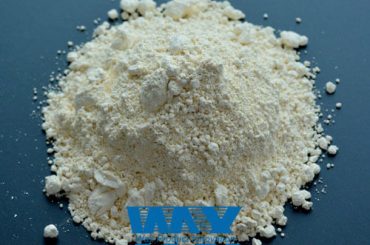
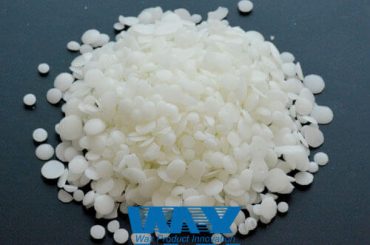
Compatibility is another key reason wax additives are widely used across wood coating systems. Whether the formulation is PU, NC, UV-curable, acrylic, alkyd, or water-based, wax additives can be selected in forms that match the system requirements. Micronized wax powders are ideal for solvent-based coatings, while wax emulsions and dispersions are tailored for water-based systems, ensuring easy incorporation, stable performance, and consistent results. The broad selection of wax chemistries—PE, PP, Fischer-Tropsch, amide, or specialty blends—allows formulators to fine-tune gloss, slip, matting, or smoothness based on customer expectations.
In addition to functional benefits, wax additives help improve the appearance of wood coatings. For example, certain micronized waxes can produce controlled matting, reducing excessive gloss and enhancing the natural look of wood. Others improve transparency and prevent haze, ensuring that the natural grain pattern remains clear and visually appealing. In stained wood systems, wax particles ensure that colorants do not migrate or produce uneven surface effects, helping maintain a stable and attractive finish.
As the wood coatings industry continues shifting toward eco-friendly, low-VOC, and water-based systems, wax emulsions and dispersions have become more prominent. Their fine particle size, good stability, and compatibility allow them to achieve the same or better performance compared to traditional solvent-based wax additives. This enables manufacturers to meet environmental standards without compromising aesthetics or durability.
TIANSWAX offers a full range of wax additives for wood coatings, including micronized PE wax, PP wax, Fischer-Tropsch wax, and high-performance wax emulsions for water-based systems. If you need better slip, smoother touch, higher water resistance, or custom formulations, contact us for technical recommendations and samples tailored to your coating requirements.
 Leave a message

We’ll get back to you soon