

2026-01-12 Pageview:123
Polyethylene wax, commonly known as PE wax, is one of the most widely used functional wax additives in the coatings industry. As coating systems evolve toward higher durability, environmental compliance, and improved surface performance, formulators increasingly rely on PE wax to achieve a balanced combination of scratch resistance, abrasion resistance, and long-lasting surface protection. Whether in industrial coatings, architectural finishes, or protective metal coatings, PE wax plays a critical role in enhancing both performance and reliability.
The primary use of PE wax in coatings is to protect the surface from mechanical damage. During film formation, finely dispersed wax particles migrate toward the surface of the coating and create a microscopic protective layer. This layer reduces the coefficient of friction and acts as a barrier against direct mechanical contact. When the coated surface is exposed to rubbing, handling, or everyday wear, PE wax helps distribute stress more evenly across the surface, minimizing visible scratches and mar marks. This makes it especially valuable for applications where surface appearance and durability must be maintained over long periods.

Another key advantage of PE wax is its ability to improve abrasion resistance without compromising visual quality. Traditional hard fillers can increase wear resistance but often negatively affect gloss, transparency, or surface smoothness. In contrast, polyethylene wax provides protection at the micro level, allowing coatings to retain their original finish while becoming more resistant to damage. For decorative coatings, furniture coatings, and high-end industrial finishes, this combination of aesthetics and durability is a major benefit.
PE wax is also widely used to improve surface protection in demanding environments. In metal coatings, for example, coated components are frequently exposed to handling, transportation, and installation before reaching their final application. PE wax reduces surface friction and prevents damage caused by contact between parts. In floor coatings and heavy-duty protective coatings, it enhances resistance to abrasion from foot traffic, equipment movement, and repeated cleaning, helping maintain performance and appearance over time.
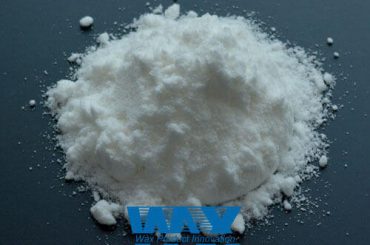
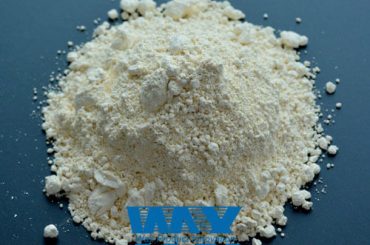
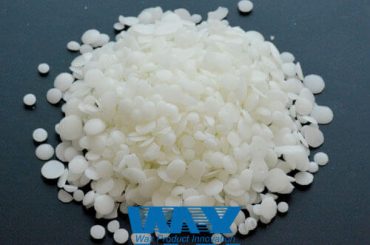
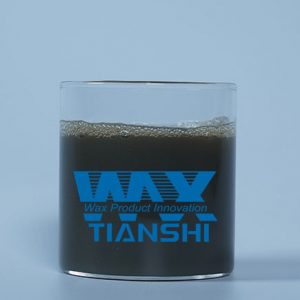
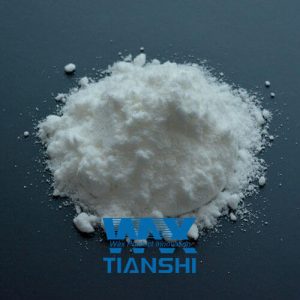
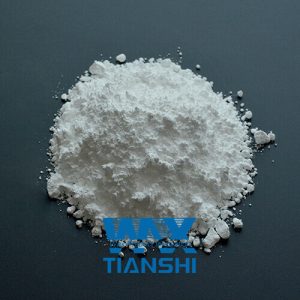
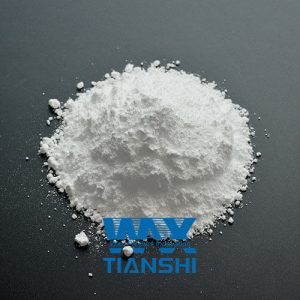
From a formulation standpoint, PE wax is compatible with a broad range of coating systems, including solvent-based, water-based, and powder coatings. It can be supplied in various forms such as micronized powders, dispersions, and emulsions, allowing formulators to select the most appropriate format for their production process. Micronized PE wax powders are commonly used in solvent-based and powder coatings, while dispersions and emulsions are ideal for water-based systems that require easy incorporation and stable processing.
In water-based coatings, PE wax contributes not only to scratch resistance but also to improved slip and anti-blocking properties. As environmental regulations continue to favor low-VOC and waterborne technologies, maintaining performance levels comparable to solvent systems has become a key challenge. PE wax helps bridge this gap by enhancing surface protection without introducing harmful solvents or compromising regulatory compliance.
The performance of PE wax in coatings can be fine-tuned by selecting appropriate particle size, melting point, and molecular structure. Smaller particle sizes provide smoother surfaces and are suitable for high-gloss or transparent coatings, while slightly larger particles can deliver stronger anti-scratch and abrasion-resistant effects in industrial or protective applications. This flexibility allows manufacturers to design coatings that meet precise functional and aesthetic requirements.
In real-world applications, PE wax is widely used in machinery coatings, metal structures, industrial equipment housings, and protective architectural coatings. It helps reduce maintenance costs by extending the service life of coated surfaces and minimizing the need for frequent repairs or recoating. For manufacturers, this translates into improved product quality, enhanced customer satisfaction, and stronger competitiveness in demanding markets.
Understanding how PE wax improves scratch resistance and surface protection is essential for formulators seeking to optimize coating performance. Its ability to provide micro-level lubrication, mechanical shielding, and long-term durability makes it a versatile and cost-effective additive across a wide range of coating technologies. When properly selected and incorporated, polyethylene wax becomes an integral part of high-performance coating systems.
If you are developing or upgrading coatings and need better scratch resistance, abrasion protection, or surface durability, PE wax can be a highly effective solution. Our company supplies a full range of polyethylene wax products in powder, dispersion, and emulsion forms for different coating systems. Contact us today to discuss your application needs, receive technical recommendations, or request samples for testing. We are ready to help you achieve stronger surface performance and more competitive coating products.
 Leave a message

We’ll get back to you soon