

2026-01-09 Pageview:261
Industrial coatings are designed to protect surfaces from mechanical wear, chemical exposure, and environmental stress while maintaining consistent appearance and performance over time. From metal structures and machinery to floors, pipelines, and manufactured components, coatings must withstand harsh conditions throughout their service life. Polyethylene wax additives have become an essential component in many industrial coating formulations, offering enhanced surface protection, improved durability, and controlled surface properties without compromising processing efficiency.
Polyethylene wax, commonly known as PE wax, is a synthetic wax characterized by its high melting point, excellent hardness, and outstanding chemical resistance. When used as an additive in industrial coatings, PE wax is typically introduced in micronized or dispersed form, allowing it to integrate into the coating matrix effectively. During film formation, the wax particles migrate toward the surface, where they form a thin protective layer that enhances abrasion resistance, scratch resistance, and overall surface robustness.
One of the primary functions of polyethylene wax additives in industrial coatings is to improve resistance to mechanical damage. In industrial environments, coated surfaces are frequently exposed to friction, impact, and repeated contact with tools, equipment, and materials. PE wax reduces surface friction and acts as a micro-lubricating agent, minimizing the stress exerted on the coating film. This significantly decreases the likelihood of scratches, scuffs, and wear marks, thereby extending the lifespan of the coated surface.
Chemical and environmental resistance are also critical in many industrial applications. Polyethylene wax exhibits excellent stability against water, acids, alkalis, and many solvents. When incorporated into coatings used for pipelines, storage tanks, machinery, and infrastructure components, it enhances the surface’s ability to resist chemical attack and environmental degradation. This makes PE wax additives particularly valuable in coatings for chemical plants, manufacturing facilities, and outdoor installations exposed to moisture, temperature fluctuations, and pollutants.
In addition to protection, polyethylene wax additives help optimize surface characteristics such as slip, anti-blocking, and mar resistance. These properties are especially important in coatings applied to fabricated metal parts, plastic components, and finished goods that must be stacked, transported, or assembled after coating. By reducing surface tack and friction, PE wax ensures that coated parts do not stick together or suffer surface damage during handling and logistics.
Another advantage of polyethylene wax additives is their compatibility with a wide range of binder systems commonly used in industrial coatings. Whether the formulation is based on epoxy, polyurethane, acrylic, alkyd, or hybrid systems, properly selected PE wax products can be easily incorporated without adversely affecting film formation or adhesion. This versatility allows formulators to use polyethylene wax across multiple product lines while maintaining consistent performance standards.
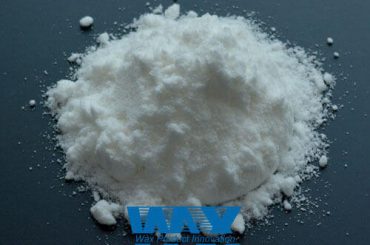
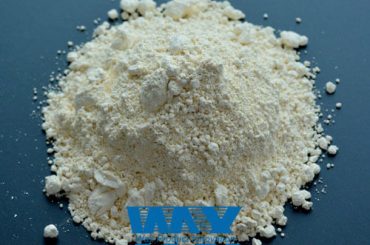
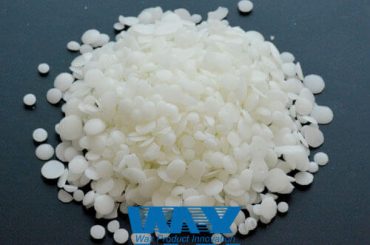
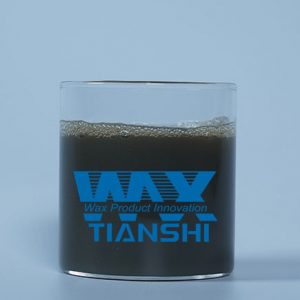
Processing efficiency is also a key consideration in industrial coating production. Polyethylene wax additives are available in various physical forms, including micronized powders, dispersions, and emulsions, enabling formulators to choose the most suitable format for their manufacturing process. Micronized powders are ideal for solvent-based and powder coatings, while dispersions and emulsions are preferred for water-based systems. In each case, the wax is designed to disperse uniformly, ensuring stable performance and consistent surface properties across batches.
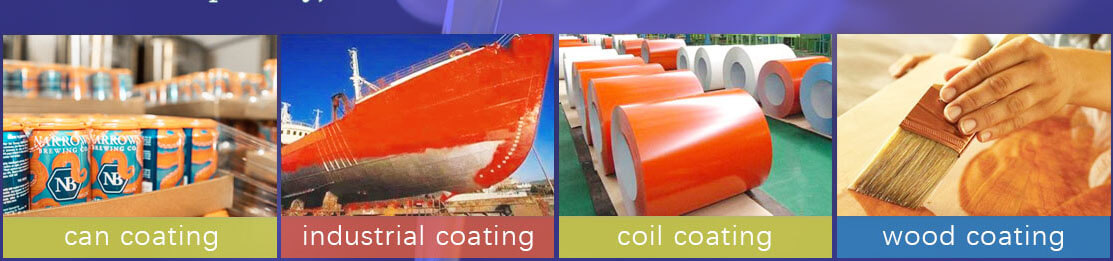
In real-world applications, PE wax additives are widely used in protective coatings for steel structures, machinery housings, industrial floors, and transportation equipment. In metal coatings, they help prevent surface damage during assembly and installation. In floor coatings, they improve abrasion resistance and maintain surface appearance under heavy foot traffic and equipment movement. In manufacturing environments, they reduce maintenance costs by prolonging coating life and minimizing the need for repairs or recoating.
Selecting the appropriate polyethylene wax additive involves evaluating factors such as melting point, hardness, particle size, and surface treatment. Higher melting point waxes provide better resistance in high-temperature environments, while finer particle sizes ensure smoother surfaces for applications requiring aesthetic quality. By tailoring these parameters to specific industrial requirements, coatings manufacturers can achieve precise control over surface protection and functional performance.
For companies aiming to enhance the durability and protective capabilities of their industrial coatings, polyethylene wax additives offer a proven and versatile solution. Our company specializes in supplying high-performance PE wax additives in powder, dispersion, and emulsion forms to meet the demands of various industrial coating systems. Contact us today to discuss your application requirements, receive expert technical support, or request samples for evaluation. Let us help you build more durable, reliable, and competitive industrial coating products.
 Leave a message

We’ll get back to you soon