

2026-04-09 Pageview:58
Mold release formulations are essential in many manufacturing processes, including die casting, rubber molding, plastic injection, and composite production. These processes involve high temperatures and pressures, making it critical to ensure that molded parts can be released easily without damaging either the product or the mold.
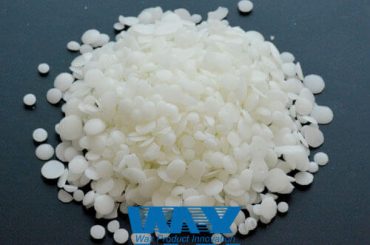
Polyethylene (PE) wax is one of the most widely used additives in mold release formulations due to its excellent lubricity, thermal stability, and compatibility with various systems. It plays a key role in improving release performance while maintaining process efficiency.

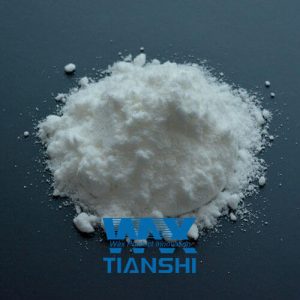
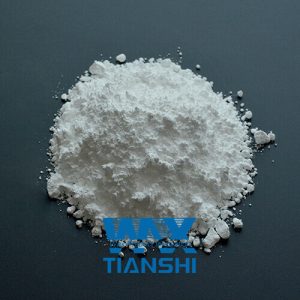
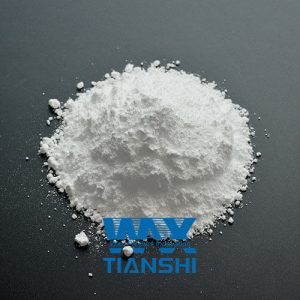
wax additive
When PE wax is incorporated into a release agent, it functions by forming a thin, continuous film on the mold surface. This film reduces adhesion between the molded material and the mold, allowing parts to separate more easily during ejection.
The lubricating effect of PE wax also helps reduce friction during mold filling and demolding. This not only improves release efficiency but also minimizes wear on the mold surface, extending its service life.
Another important benefit is improved surface quality of molded parts. By reducing sticking and tearing, PE wax helps produce smoother surfaces with fewer defects.
Selecting the right PE wax for mold release formulations depends on several factors. Melting point is one of the most critical parameters. High-temperature processes such as die casting require waxes with higher melting points to ensure stability during operation.
Molecular weight also influences performance. Lower molecular weight waxes typically provide better lubrication, while higher molecular weight waxes may offer improved durability.
Compatibility with the formulation system is essential. PE wax must work well with other components such as emulsifiers, carriers, and additional lubricants to ensure stable and effective formulations.
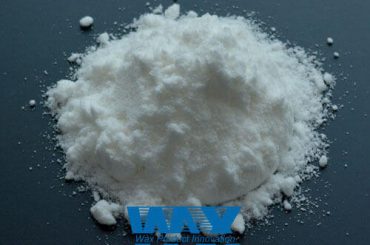
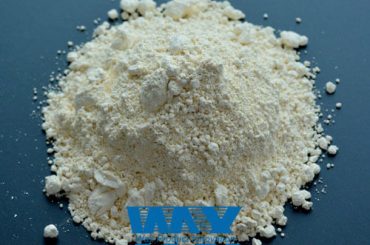
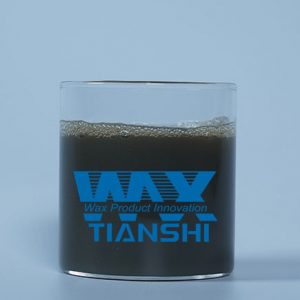
The form of the wax—whether micronized powder, dispersion, or emulsion—should match the type of release agent being developed. Water-based systems generally require emulsions, while solvent-based systems may use micronized wax.
Dosage optimization is important to achieve the right balance. Insufficient wax may lead to poor release, while excessive wax can cause buildup or contamination.
In many cases, PE wax is used in combination with other additives to enhance performance and meet specific application requirements.
As manufacturing processes become more demanding, optimizing mold release formulations is increasingly important. PE wax remains a reliable and versatile solution for improving release efficiency and product quality.
If you are developing mold release formulations and need to optimize performance, our PE wax products are designed to meet the requirements of various industrial applications. Contact us for expert guidance and product recommendations.
 Leave a message

We’ll get back to you soon