

2026-05-22 Pageview:92
Driven by environmental regulations and sustainability requirements, water-based and low-VOC (Volatile Organic Compound) coating systems are increasingly replacing traditional solvent-based coatings. These systems are widely utilized in fields such as industrial coatings, packaging materials, wood finishes, and architectural decoration.
However, water-based and low-VOC formulations often face performance challenges, particularly regarding scratch resistance, slip properties, and surface durability.
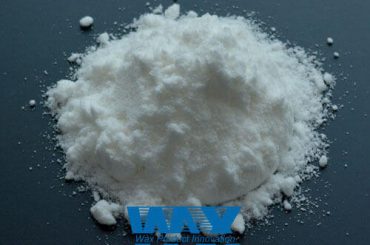
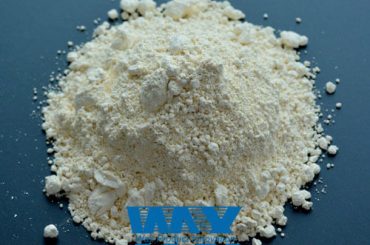
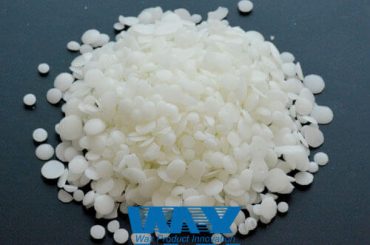
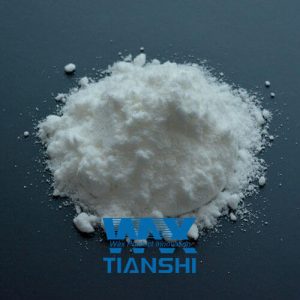
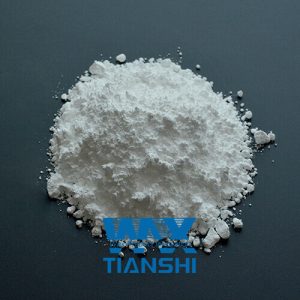
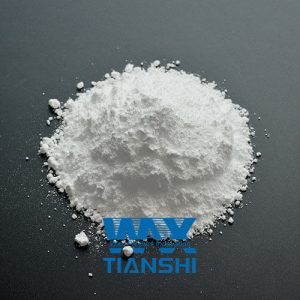
Micronized PTFE (Polytetrafluoroethylene) wax is one of the most effective additives for enhancing the surface performance of such systems.
PTFE wax possesses an extremely low coefficient of friction and excellent abrasion resistance. When properly incorporated into water-based or low-VOC coatings, these micronized particles migrate to the surface during the drying and film-formation processes.
This process creates an ultra-thin lubricating layer on the coating surface, thereby effectively reducing surface friction and enhancing the durability of the coating.
A key advantage of PTFE wax in water-based and low-VOC systems is its ability to significantly improve scratch resistance. Surfaces treated with such coatings exhibit greater resistance to mechanical damage incurred during handling, cleaning, and transportation.
Furthermore, the scuff resistance and abrasion resistance of the coating are also significantly enhanced.
Superior slip performance is another major benefit of PTFE wax. Reducing surface friction not only improves operational and handling efficiency but also minimizes wear caused by friction during processing and end-use applications.
For coated products that are stacked for storage or wound into rolls for packaging, excellent anti-blocking (non-stick) properties are of particular importance.
When selecting a suitable PTFE wax for water-based and low-VOC systems, special attention must be paid to its dispersion stability and compatibility within the specific system.
Water-based systems are particularly sensitive to particle agglomeration; therefore, selecting micronized particles with an extremely fine particle size is crucial.
Good compatibility between the PTFE wax and the specific water-based acrylic resins, polyurethane resins, or other composite systems is the key to ensuring stable and reliable coating performance. Furthermore, the dosage of PTFE wax must be optimized to enhance surface protection properties while simultaneously maintaining the coating’s gloss, transparency, and overall integrity.
Depending on specific curing conditions and substrate types, different application systems may require the selection of distinct grades of PTFE wax products.
In many advanced low-VOC formulations, PTFE wax is frequently compounded with PE (polyethylene) wax or amide wax to achieve an optimal balance between slip properties and durability.
As environmental regulations become increasingly stringent, market demand for high-performance additives in water-based and low-VOC coatings is bound to continue its upward trend.
If you are currently developing water-based or low-VOC coatings and are seeking to enhance their surface performance, our micronized PTFE wax products offer a reliable and highly effective solution. We invite you to contact us at any time to receive expert technical support and formulation guidance.
 Leave a message

We’ll get back to you soon