

2026-05-28 Pageview:9
Automotive coatings require superior durability, appearance retention, and surface protection. Vehicle surfaces are constantly subjected to abrasion, sun and wind exposure, washing, road debris, chemicals, and mechanical contact.
To maintain the long-term appearance and performance of coatings, automotive coating formulators are increasingly using high-purity micronized polytetrafluoroethylene (PTFE) waxes.
PTFE waxes are widely recognized for their extremely low coefficient of friction and excellent abrasion resistance. High-purity PTFE waxes are particularly important in automotive coatings because they provide consistent quality, low risk of contamination, and stable surface properties.
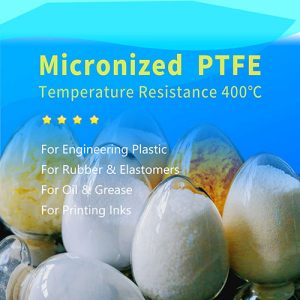
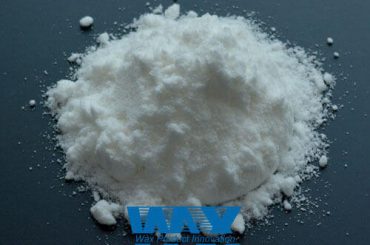
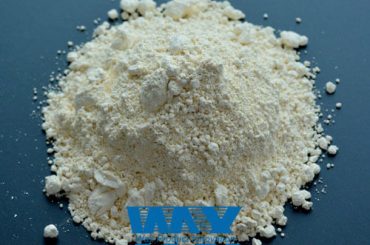
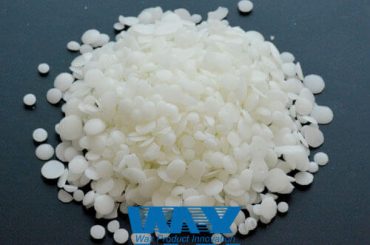
ptfe micropowder
When micronized PTFE wax is added to automotive coatings, the particles migrate to the coating surface during drying or curing, forming a thin, lubricating layer.
This lubricating layer significantly reduces friction and improves the coating’s durability.
One of the main advantages of PTFE wax in automotive coatings is improved scratch resistance. Vehicle surfaces are frequently subjected to scratches and abrasion during washing, handling, and daily use. PTFE wax helps minimize visible surface damage and maintain a vehicle’s appearance over the long term.
Abrasion resistance and scratch resistance are also significantly improved.
Slip properties are another important advantage. Lower surface friction helps reduce mechanical wear and improve surface smoothness.
PTFE wax can also improve anti-blocking properties during automotive coating production.
Choosing the right PTFE wax for automotive coatings requires careful consideration of particle size, purity, and compatibility with coating resins.
Fine, micron-sized particles typically provide a smoother surface and better optical transparency while maintaining excellent scratch resistance.
Compatibility with polyurethane, acrylic, polyester, and waterborne automotive coating systems is crucial for formulation stability.
Dosage optimization is critical. Excessive PTFE wax may affect gloss or transparency, while insufficient dosage may fail to provide adequate protection.
Automotive coatings also require excellent weather resistance and long-term stability, making high-purity PTFE wax particularly important.
In many high-end automotive coating systems, PTFE wax is used in combination with silicone additives or PE wax to achieve a balance of smoothness, gloss, and durability.
As automakers continue to demand higher surface quality and coating durability, high-purity micronized PTFE wax remains an important additive for advanced automotive coatings.
If you are developing automotive coatings and require improved scratch resistance and surface protection, our high-purity micronized PTFE wax products offer a reliable, high-performance solution. Please contact us for technical support and formulation advice.
 Leave a message

We’ll get back to you soon