

2026-06-04 Pageview:5
Fischer-Tropsch (FT) wax and Polypropylene (PP) wax are widely used additives in formulations for coatings, inks, plastics, and powder coatings. Both materials serve to enhance surface properties, yet they possess distinct characteristics and performance profiles.
A thorough understanding of these differences enables formulators to select the most suitable additive for their specific application requirements.
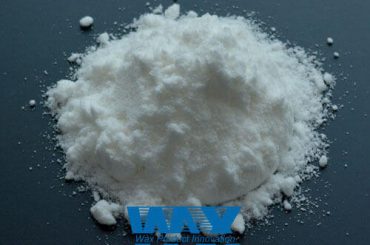
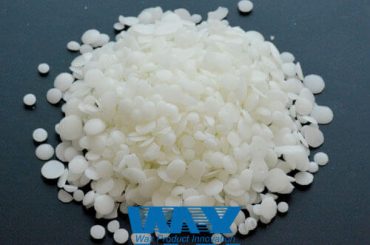
Fischer-Tropsch wax is a synthetic wax produced via the Fischer-Tropsch synthesis process. It is typically characterized by high purity, exceptional hardness, and a narrow molecular weight distribution.

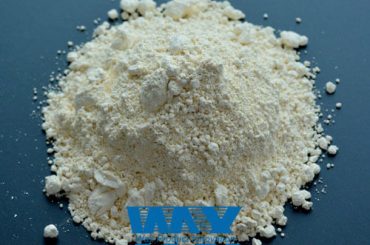
PP wax is derived from polypropylene and is renowned for its high hardness, excellent abrasion resistance, and thermal stability.
Both waxes contribute to improving the scratch resistance of coatings. However, thanks to its highly uniform structure, Fischer-Tropsch wax often delivers a more stable and consistent level of surface protection.
PP wax is highly favored for its inherent hardness, performing particularly well in applications—such as powder coatings and industrial coatings—where exceptional abrasion resistance is a critical requirement.
In terms of slip properties, both materials reduce the coefficient of friction and enhance the tactile feel and handling characteristics of a coating. Fischer-Tropsch wax typically imparts a smoother surface feel to the coating and provides a more stable and consistent friction-reducing effect.
While PP wax offers excellent hardness, it may not always match the level of slip performance provided by Fischer-Tropsch wax.
Compatibility is another crucial consideration. Thanks to its superior thermal stability and favorable processing characteristics, PP wax enjoys widespread application in the fields of powder coatings and plastic products.
In contrast, Fischer-Tropsch wax offers broader compatibility, making it suitable for use across a wide spectrum of coating systems—including water-based, solvent-based, UV-curable, and powder coating formulations.
Cost considerations vary depending on the product grade and the specific application context. In many instances, PP wax strikes a highly competitive balance between performance and cost; however, for premium formulations where absolute performance consistency is paramount, Fischer-Tropsch wax often emerges as the more ideal choice.
The gloss retention and transparency of a coating are primarily determined by the particle size of the wax powder and the quality of its dispersion. When utilizing finely micronized wax powders, both types of wax can help coatings maintain an aesthetically pleasing and attractive appearance.
Many formulators frequently combine Fischer-Tropsch wax with PP wax to fully leverage the respective advantages of both materials. Through such blended formulations, it is possible to achieve exceptional scratch resistance, durability, and processing stability.
Ultimately, the choice between Fischer-Tropsch wax and PP wax depends on the specific type of coating, performance requirements, and budgetary objectives.
If you are currently comparing Fischer-Tropsch wax and PP wax for your coating applications, our technical team is ready to provide expert assistance to help you identify the most effective solution for your formulation needs.
 Leave a message

We’ll get back to you soon