

2026-06-24 Pageview:100
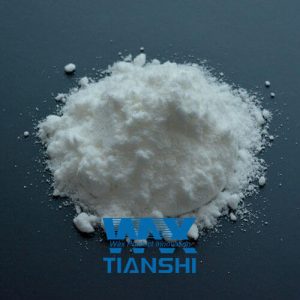
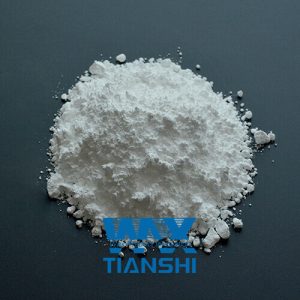
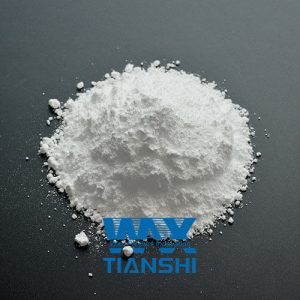
Lubrication plays a crucial role in the processing of plastic composites. During extrusion, compounding, and molding operations, excessive friction can adversely affect processing efficiency, product quality, and equipment performance. To address these challenges, manufacturers frequently use oxidized polyethylene wax as a lubricant in plastic formulations.
Oxidized polyethylene wax is produced by subjecting polyethylene wax to an oxidation process; this introduces polar functional groups, thereby improving compatibility with polymers and other formulation components. This unique structure allows it to provide effective lubrication while maintaining excellent dispersion properties.
One of the key functions of oxidized polyethylene wax is to reduce internal friction within the polymer melt. This reduction in friction improves material flowability, helping to maintain stable processing conditions throughout the manufacturing process.
Enhanced lubrication facilitates smoother extrusion and molding operations. Stable material flow typically results in more consistent product dimensions, fewer processing defects, and higher production efficiency.
Oxidized polyethylene wax also helps reduce friction between formulation components, promoting more effective mixing and dispersion. This advantage is particularly significant for composite systems containing pigments, fillers, and reinforcing materials.
Another benefit is the reduction of equipment wear. By minimizing friction between the material and processing machinery, oxidized polyethylene wax helps extend equipment service life and ensures long-term production stability.
These waxes are widely used in PVC composites, polyolefin composites, engineering plastics, masterbatches, and filled polymer systems. Their versatility makes them highly valuable additives in numerous plastic processing applications.
Compared to standard polyethylene wax, oxidized polyethylene wax generally offers superior compatibility and more balanced lubrication performance. These advantages contribute to the overall effectiveness of the formulation.
The appropriate dosage depends on the polymer type, filler content, processing conditions, and desired performance characteristics. Manufacturers typically optimize the addition ratio through production trials.
With its multiple advantages—including lubrication, compatibility, and dispersion—oxidized polyethylene wax remains one of the most widely used additives in the manufacture of plastic composites. Tianshi Wax offers high-quality oxidized polyethylene wax products specifically designed for applications in plastic composites, engineering plastics, masterbatches, and PVC processing. Contact our technical team today for formulation advice and technical support.
 Leave a message

We’ll get back to you soon