

2026-06-22 Pageview:116
Choosing the right oxidized polyethylene wax is crucial for achieving optimal performance in PVC compounds. As one of the most commonly used internal lubricants in PVC processing, oxidized polyethylene wax plays a key role in controlling fusion, improving processing stability, and enhancing finished product quality.
Oxidized polyethylene wax differs from conventional polyethylene wax in that it introduces polar functional groups during the oxidation process. These functional groups improve compatibility with PVC resins and allow the wax to participate more effectively in the fusion process.
One of the first factors to consider when selecting an oxidized polyethylene wax is its acid value. The acid value reflects the degree of oxidation and directly affects compatibility with PVC. Different PVC formulations may require different degrees of oxidation to achieve the ideal balance between lubricity and fusion properties.
Molecular weight is another important parameter. Lower molecular weight grades generally offer stronger lubrication, while higher molecular weight products may offer better processing stability and surface quality. The optimal choice depends on the formulation and processing conditions.
Melting point should also be considered. Oxidized polyethylene waxes with higher melting points generally have greater thermal stability during extrusion and contribute to more stable processing performance.
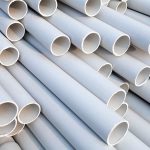
In rigid polyvinyl chloride (PVC) applications, such as pipes and profiles, oxidized polyethylene wax is often used to improve melt control and processing efficiency. In cable compounds, it helps maintain stable extrusion conditions and improves surface appearance.
Compatibility with stabilizer systems is equally important. Oxidized polyethylene wax should be effectively combined with heat stabilizers, processing aids, and external lubricants to form a balanced formulation.
Manufacturers typically evaluate wax performance through laboratory and production testing. Parameters such as melt time, torque characteristics, extrusion stability, and product appearance help determine the wax grade best suited for a specific application.
Compared to standard polyethylene wax, oxidized polyethylene wax generally has better compatibility with PVC and allows for more precise control of processing properties. These advantages make it a preferred lubricant in many modern PVC formulations.
By carefully considering acid value, molecular weight, melting point, and formulation requirements, manufacturers can select the most effective oxidized PE wax for their PVC compounds.
TIANSWAX offers a complete range of oxidized PE waxes for PVC processing applications. Contact our technical team today, and we will assist you in selecting the wax best suited for your formulation.
 Leave a message

We’ll get back to you soon