

2026-06-22 Pageview:8
Masterbatch production requires the uniform dispersion of pigments in a polymer carrier resin. Achieving stable color quality and efficient processing depends on the correct combination of raw materials and additives. Among these additives, oxidized polyethylene wax plays a crucial role as a processing aid and dispersion promoter.
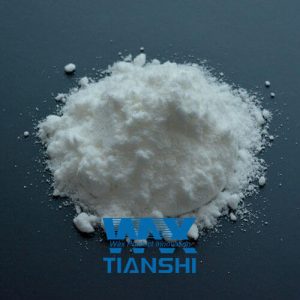
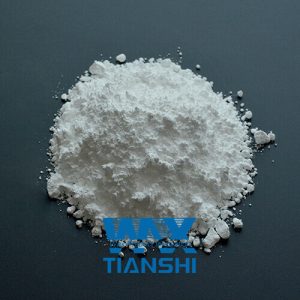
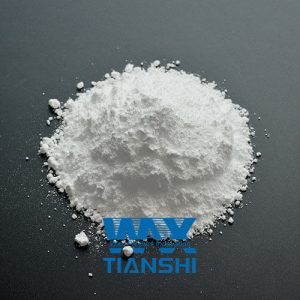
Oxidized polyethylene wax is produced through the controlled oxidation of polyethylene wax. The introduction of polar functional groups improves its compatibility with pigments, fillers, and polymer systems, making it particularly useful in masterbatch formulations.
One of the main advantages of oxidized polyethylene wax in masterbatch production is improved pigment wettability. Better wettability allows pigments to disperse more easily in the polymer matrix, reduces agglomerate formation, and improves color uniformity.
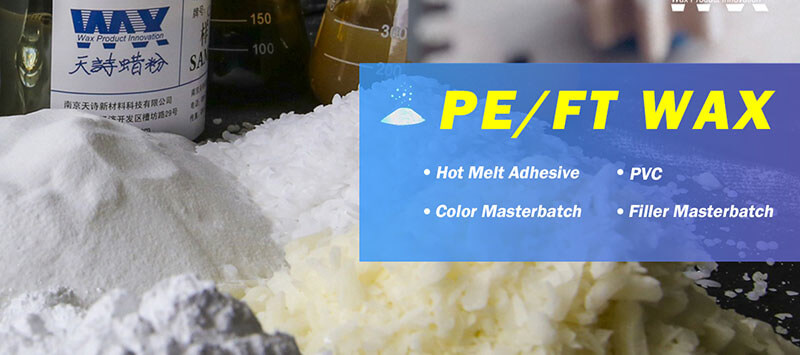
This wax also acts as a processing lubricant during compounding and extrusion. By reducing friction within the melt, oxidized polyethylene wax promotes smooth material flow and helps maintain stable processing conditions. This can improve production efficiency and reduce energy consumption.
Enhanced dispersibility directly improves color intensity and appearance. A more uniform pigment distribution allows manufacturers to achieve consistent coloring results while minimizing defects caused by poor dispersion.
Oxidized polyethylene wax is widely used in black, white, and colored masterbatch formulations. It is compatible with a variety of thermoplastic systems, including polyethylene, polypropylene, and polyvinyl chloride (PVC)-based compounds.
Another advantage is improved filler distribution. In formulations containing inorganic fillers such as calcium carbonate or titanium dioxide, oxidized polyethylene wax helps promote a more uniform particle distribution and processing consistency.
Compared to standard polyethylene wax, oxidized polyethylene wax typically exhibits superior dispersibility due to its enhanced polarity. This makes it particularly effective in demanding masterbatch applications where pigment distribution is critical.
The optimal dosage depends on factors such as pigment type, resin system, processing conditions, and formulation requirements. Manufacturers typically conduct production trials to determine the optimal addition amount.
Today, oxidized polyethylene wax is widely used in colored masterbatch production to improve processing efficiency, pigment dispersion, and finished product quality. Its versatility and excellent performance make it a highly valuable additive in modern colored masterbatch production.
TIANSWAX supplies high-quality oxidized polyethylene wax products suitable for color masterbatches, filler masterbatches, plastics processing, and industrial applications. Please contact our technical team for formulation advice and technical support.
 Leave a message

We’ll get back to you soon