

2026-06-23 Pageview:90
Fillers such as calcium carbonate, talc, barium sulfate, and other mineral additives are widely used in plastics and masterbatch production to reduce costs, improve performance, and optimize product properties. However, achieving uniform filler dispersion remains one of the most significant challenges in formulation design.
Poor filler dispersion leads to unstable product quality, decreased mechanical properties, surface defects, and processing difficulties. To overcome these problems, manufacturers typically use specialized processing aids such as oxidized polyethylene wax.
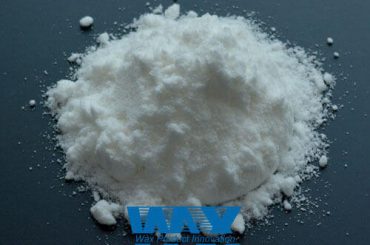
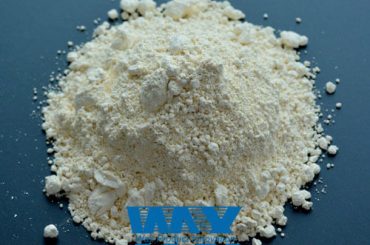
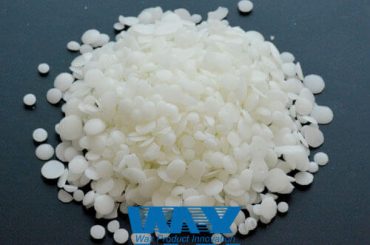
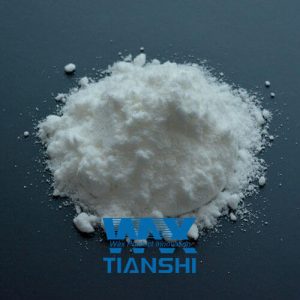
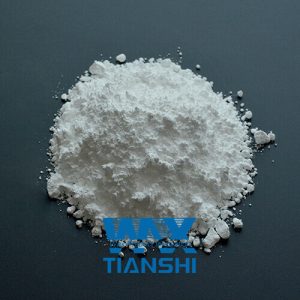
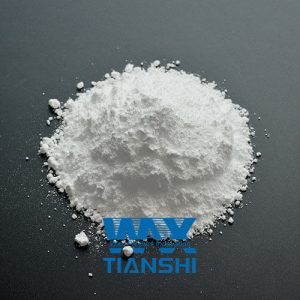
Oxidized polyethylene wax contains polar functional groups introduced through a controlled oxidation process. These functional groups improve the compatibility between filler particles and the polymer matrix, thus contributing to a more uniform particle distribution throughout the formulation.
One of the main functions of oxidized polyethylene wax is to improve filler wettability. Better wettability allows filler particles to disperse more effectively during mixing and reduces the tendency for particle agglomeration.
By reducing particle agglomeration, oxidized polyethylene wax helps improve overall dispersion quality. A more uniform filler distribution helps improve the appearance of the finished product, enhance mechanical properties, and improve product consistency.
Oxidized polyethylene wax is also an effective processing aid. During extrusion and compounding, oxidized polyethylene wax reduces friction within the polymer melt, promoting smoother material flow. Improved flow properties contribute to more efficient mixing and better filler incorporation.
Calcium carbonate masterbatch is one of the most common applications of oxidized polyethylene wax. In highly filled formulations, this wax helps maintain processing stability while promoting uniform distribution of mineral fillers within the carrier resin.
In addition to improving dispersibility, oxidized polyethylene wax also contributes to increased production efficiency. Reduced processing resistance lowers energy consumption and helps maintain stable operating conditions during production.
Compared to conventional polyethylene waxes, oxidized polyethylene waxes typically offer superior filler interactions due to their enhanced polarity. This property generally results in better dispersion in highly filled systems.
The ideal addition amount depends on the filler type, filler content, polymer carrier, and processing conditions. Manufacturers typically optimize wax addition through laboratory testing and production evaluation.
With the increasing use of fillers in many plastic applications, oxidized polyethylene wax remains an important additive for improving dispersibility, processing efficiency, and final product quality.
TIANSWAX supplies high-quality oxidized polyethylene wax products suitable for filler masterbatches, plastics processing, coatings, and industrial applications. Please contact our technical team for technical support and formulation advice.
 Leave a message

We’ll get back to you soon