

2026-06-24 Pageview:139
Engineering plastics are widely used in automotive, electrical, electronic, consumer goods, and industrial component sectors due to their exceptional mechanical strength, heat resistance, and durability. To achieve efficient processing and ensure consistent product quality, manufacturers often incorporate specialized additives—such as oxidized polyethylene (PE) wax—into their formulations.
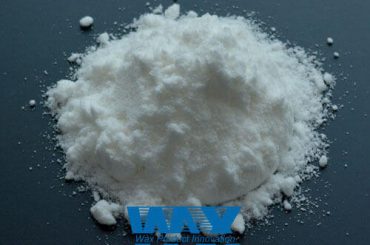
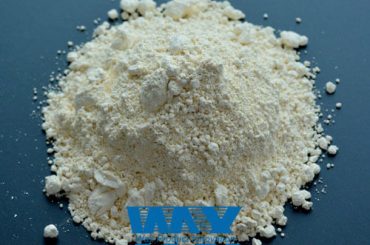
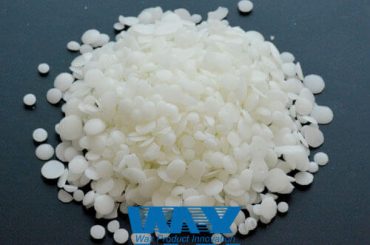
Oxidized polyethylene wax is a modified polyethylene wax that incorporates polar functional groups through a controlled oxidation process. These functional groups improve compatibility with polymers, fillers, and pigments while maintaining excellent lubricating properties.

One of the primary advantages of oxidized polyethylene wax in engineering plastic applications is enhanced processing efficiency. During compounding, extrusion, and injection molding, the wax helps reduce internal friction within the polymer melt, allowing the material to flow more smoothly through processing equipment.
Improved lubrication helps stabilize processing conditions and reduces stress on machinery, often leading to higher productivity and consistent manufacturing performance.
Oxidized polyethylene wax also promotes the effective dispersion of fillers and additives. The uniform distribution of pigments, reinforcing agents, and mineral fillers is crucial for ensuring consistent mechanical properties and surface appearance in engineering plastic composites.
Another advantage is improved surface quality. By optimizing melt flow and reducing processing resistance, oxidized polyethylene wax helps minimize surface defects and enhances the surface finish of molded or extruded products.
This wax is commonly used with engineering plastics such as polyamide (PA), polycarbonate (PC), ABS, and PBT, as well as in various composite formulations; it is particularly suitable for applications requiring high processing stability and excellent dispersion quality.
Compared to conventional polyethylene wax, oxidized polyethylene wax typically offers better compatibility with engineering plastic systems due to its enhanced polarity. This characteristic makes it especially effective in formulations containing fillers and pigments.
The optimal dosage depends on the polymer type, processing conditions, and formulation requirements. Manufacturers typically evaluate the wax’s performance through laboratory testing and production trials. Oxidized polyethylene wax is widely used in engineering plastic composites to enhance lubricity, processing stability, dispersion, and the quality of finished products.
Tianshi Wax offers high-performance oxidized polyethylene wax products suitable for engineering plastics, masterbatches, PVC composites, coatings, and various industrial applications. Please contact our technical team today for technical support and product recommendations.
 Leave a message

We’ll get back to you soon