

2026-01-13 Pageview:87
UV-curable coatings are widely valued for their fast curing speed, high productivity, and excellent surface appearance. They are commonly used in wood finishes, flooring, furniture, electronics, and packaging where high gloss, clarity, and surface smoothness are essential. However, the very characteristics that make UV coatings attractive can also make them sensitive to surface damage. Achieving scratch resistance without compromising gloss is therefore one of the key formulation challenges in UV coating systems. Wax additives offer an effective solution to this problem.
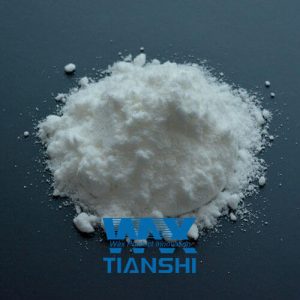
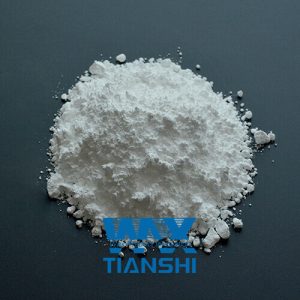
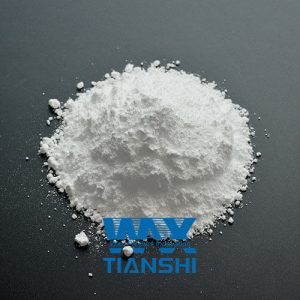
The function of wax additives in UV coatings is to modify surface behavior at the micro level. During curing, finely dispersed wax particles migrate toward the coating surface and form a thin protective layer. This layer reduces surface friction and acts as a barrier against mechanical contact, helping prevent scratches, scuffs, and mar marks. Unlike traditional hard fillers, wax additives provide protection without significantly altering the optical properties of the coating.
One of the primary concerns in UV coating formulations is maintaining high gloss and transparency. UV coatings are often selected specifically for their superior visual quality, so any additive that causes haze, matting, or surface roughness can be unacceptable. Modern wax additives are engineered with controlled particle size and surface treatment to ensure that scratch resistance is achieved without noticeable loss of gloss. This makes them ideal for high-end decorative and protective applications.
Polyethylene wax is commonly used in UV coatings due to its excellent balance of hardness, chemical stability, and compatibility with UV-curable resins. When properly dispersed, PE wax enhances abrasion resistance and surface durability while preserving the smooth, glossy finish that UV systems are known for. For applications such as furniture coatings, flooring finishes, and electronic device housings, this combination of protection and appearance is essential.
Another benefit of wax additives in UV coatings is improved processing and handling performance. Coated parts often come into contact with equipment, packaging materials, and other components immediately after curing. Wax-modified surfaces exhibit better slip and reduced surface tack, minimizing the risk of blocking or damage during post-processing. This improves production efficiency and reduces defects in high-speed manufacturing environments.
Formulating UV coatings with wax additives requires careful selection of wax type, particle size, and dosage. Too large a particle size or excessive addition can lead to surface texture or reduced clarity. By contrast, optimized wax grades deliver uniform protection while maintaining the coating’s optical properties. Typical addition levels are low, yet they provide measurable improvements in scratch and abrasion resistance.
In practical applications, wax-enhanced UV coatings are used in wood flooring, furniture panels, plastic components, and packaging surfaces where both durability and appearance are critical. These coatings demonstrate better resistance to everyday wear, cleaning, and handling, extending product lifespan and preserving visual appeal.
Understanding how wax additives function in UV coating systems allows formulators to overcome the traditional trade-off between durability and gloss. By integrating the right wax solution, manufacturers can produce UV coatings that not only look premium but also perform reliably in demanding conditions.
If you are working with UV-curable coatings and need to improve scratch resistance without sacrificing gloss or clarity, we can support your formulation development. Our company offers specialized wax additives designed for UV systems. Contact us today for technical guidance, sample requests, or customized solutions. Let us help you achieve durable, high-gloss UV coatings that stand out in the market.
 Leave a message

We’ll get back to you soon