

2026-07-03 Pageview:163
Water-based formulations continue to be favored in coatings, inks, and surface treatment applications due to their low volatile organic compound (VOC) content and environmental advantages. To meet modern market demands for durability and surface performance, manufacturers often add oxidized polyethylene wax to their formulations.
Oxidized polyethylene wax is produced through the controlled oxidation of polyethylene wax, introducing polar functional groups and thus improving its compatibility with water-based systems. This enhanced compatibility allows the wax to be formulated into stable emulsions and dispersions.
One of the main advantages of oxidized polyethylene wax in water-based systems is improved scratch resistance. Wax particles migrate to the surface during film formation, forming a protective layer that helps reduce mechanical damage.
Improved slip properties are another important advantage. By reducing the coefficient of friction, oxidized polyethylene wax improves handling performance and reduces surface abrasion during use and transportation.
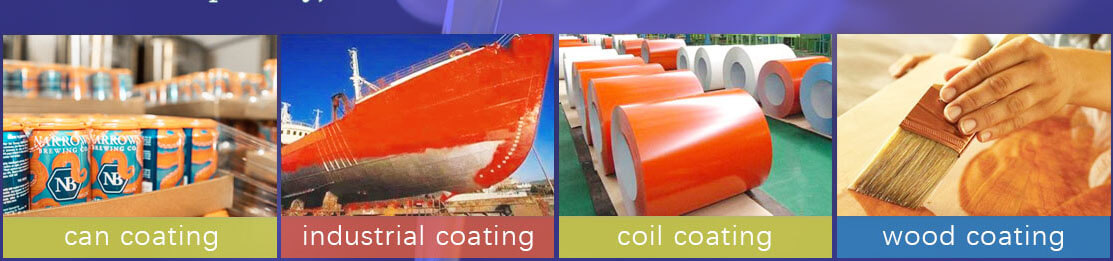
Furthermore, this wax enhances abrasion resistance, helping coated and printed surfaces maintain their appearance over a longer period. This is particularly important in industrial coatings, wood coatings, packaging inks, and construction applications.
When selecting the optimal oxidized polyethylene wax for water-based systems, formulators should consider particle size, melting point, acid value, and compatibility with the resin system. These factors affect dispersion stability and final performance.
Water-based coatings typically use oxidized polyethylene wax emulsions to improve surface protection, while water-based printing inks rely on wax dispersions to enhance abrasion resistance and anti-blocking properties.
Compared to conventional polyethylene waxes, oxidized polyethylene waxes generally offer superior emulsifying properties and better compatibility with water-based technologies. This makes it one of the most widely used wax additives in modern low-VOC formulations.
The optimal wax grade depends on application requirements, the chemistry of the coating or ink, and the desired performance. The most effective solution is usually determined through laboratory testing.
Today, oxidized polyethylene wax remains an essential additive in water-based systems because scratch resistance, abrasion resistance, slip properties, and durability are key performance requirements.
TIANSWAX offers a full range of oxidized polyethylene wax emulsions and dispersions for water-based coatings, inks, and industrial applications. Contact our technical team for product recommendations and formulation support.
 Leave a message

We’ll get back to you soon