

2026-08-28 Pageview:12
As fire safety regulations become increasingly stringent across industries, flame-retardant materials are widely used in electrical equipment, automotive components, consumer electronics, construction materials, and industrial products. While flame retardants play a critical role in reducing flammability, many thermoplastic materials can still melt and drip when exposed to fire. These burning droplets may spread flames and increase fire hazards. To address this problem, manufacturers commonly use PTFE-based anti-dripping agents in flame-retardant plastic and rubber formulations.
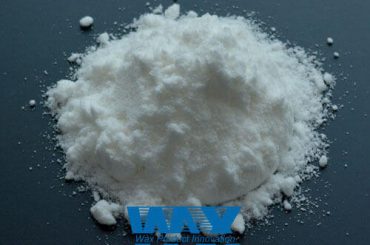
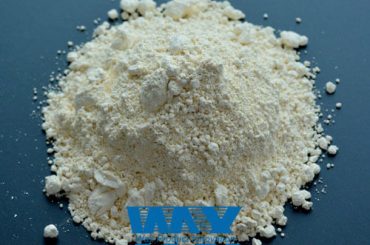
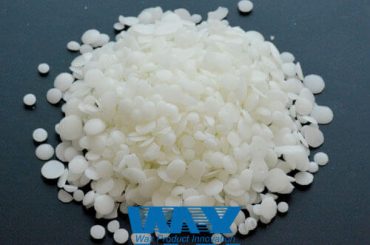
PTFE-based anti-dripping agents are specialized additives derived from polytetrafluoroethylene (PTFE). They are designed to suppress molten polymer dripping during combustion, helping materials achieve higher flame-retardant performance and comply with fire safety standards such as UL 94.

The anti-dripping mechanism of PTFE differs from that of traditional flame retardants. During processing, PTFE particles become dispersed throughout the polymer matrix. When the material is exposed to high temperatures or flames, PTFE forms a network-like fibril structure within the molten polymer. This structure significantly increases melt strength and viscosity, reducing the tendency of the material to drip.
Preventing molten dripping is especially important in vertical burning tests. In many thermoplastic materials, burning droplets can ignite surrounding materials and accelerate fire spread. PTFE-based anti-dripping agents help maintain the integrity of the polymer during combustion, improving the likelihood of achieving UL 94 V-0 or V-1 ratings.
PTFE anti-dripping agents are widely used in engineering plastics such as polycarbonate (PC), ABS, PC/ABS alloys, polyamide (PA), polybutylene terephthalate (PBT), polypropylene (PP), and modified thermoplastic compounds. They are also incorporated into various flame-retardant rubber formulations where improved fire performance is required.
One of the most common applications is in flame-retardant PC/ABS compounds used for electronic housings, electrical components, chargers, switches, and consumer electronics. PTFE anti-dripping agents help prevent flaming droplets and support compliance with safety regulations.
In flame-retardant polypropylene systems, PTFE can significantly improve anti-dripping performance, especially when used alongside phosphorus-based or halogen-free flame retardants. This combination is commonly found in automotive and electrical applications.
PTFE-based anti-dripping agents are also used in polyamide and polyester engineering plastics. These materials are frequently employed in connectors, circuit breakers, cable management systems, and industrial equipment where fire safety is a critical requirement.
A key advantage of PTFE anti-dripping agents is their high efficiency. In many formulations, relatively low addition levels can provide substantial improvements in anti-dripping performance without significantly affecting the mechanical properties of the polymer.
PTFE also offers excellent thermal stability and chemical resistance, making it suitable for high-temperature processing conditions commonly encountered in engineering plastics. Properly selected PTFE grades can maintain performance throughout compounding, extrusion, and injection molding operations.
The effectiveness of an anti-dripping agent depends on factors such as PTFE particle morphology, dispersion quality, polymer type, flame-retardant system, and processing conditions. Uniform distribution within the polymer matrix is essential to achieving consistent fire performance.
When selecting a PTFE anti-dripping agent, manufacturers typically consider compatibility with the base resin, processing stability, flame-retardant requirements, and regulatory compliance. The right product can help improve fire safety while maintaining production efficiency and product quality.
As industries continue to prioritize safety, PTFE-based anti-dripping agents have become an essential component of modern flame-retardant plastic and rubber formulations. Their ability to suppress molten dripping, improve flame-retardant ratings, and enhance fire safety makes them one of the most widely used additives in high-performance polymer systems.
At Tianshi Wax, we offer high-quality PTFE-based anti-dripping agents for engineering plastics, flame-retardant compounds, and specialty polymer applications. Contact our technical team today to learn more about our PTFE solutions and how they can help optimize the fire performance of your products.
 Leave a message

We’ll get back to you soon