

2026-08-27 Pageview:12
Wax emulsions are among the most widely used additives in modern coating formulations. They are extensively applied in water-based industrial coatings, wood coatings, architectural coatings, printing varnishes, metal coatings, and specialty surface treatments. Although wax emulsions are typically added at relatively low levels, they can significantly improve coating performance and surface quality.
As coating manufacturers continue to develop environmentally friendly, high-performance formulations, understanding the principles and application techniques of wax emulsions is becoming increasingly important. Proper selection and use of wax emulsions can help formulators achieve better durability, improved appearance, and enhanced processing performance.
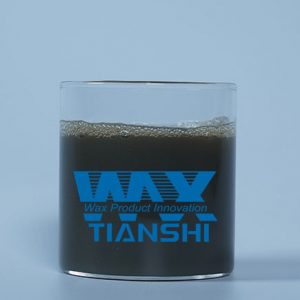
A wax emulsion is a stable dispersion of fine wax particles in water. Common wax types include polyethylene wax, oxidized polyethylene wax, polypropylene wax, Fischer-Tropsch wax, and specialty synthetic waxes. During the drying and film formation process, these wax particles gradually migrate toward the coating surface and become distributed within the upper layer of the coating film.

This surface migration behavior is the key principle behind the performance of wax emulsions. Because the wax particles concentrate near the surface, they create a protective layer that modifies the interaction between the coating and its environment. As a result, the coating gains improved resistance to mechanical damage, contamination, and surface adhesion.
One of the most important functions of wax emulsions is improving scratch resistance. The wax-rich surface reduces friction and helps prevent surface damage caused by daily contact, cleaning, transportation, and handling. This is particularly valuable in furniture coatings, industrial coatings, and packaging varnishes.
Abrasion resistance can also be significantly enhanced. Repeated rubbing and wear gradually damage unprotected coating surfaces. The presence of wax particles helps absorb some of the mechanical stress and protects the coating film from premature wear.
Another key benefit is slip improvement. Wax emulsions lower the coefficient of friction of the coating surface, creating a smoother feel and reducing resistance between contacting surfaces. This property is often required in wood coatings, printing inks, industrial coatings, and decorative finishes.
Anti-blocking performance is another major reason for using wax emulsions. During stacking, packaging, transportation, and storage, coated surfaces may stick together if the coating remains slightly tacky. Wax particles reduce surface adhesion and help prevent blocking problems, especially in water-based coating systems.
Wax emulsions can also contribute to stain resistance and dirt resistance. The modified coating surface becomes less likely to retain fingerprints, dust, oils, and other contaminants. This makes cleaning easier and helps maintain the appearance of the finished product.
When selecting a wax emulsion, formulators must consider several factors. The type of wax determines the balance between hardness, slip, abrasion resistance, and compatibility. For example, polyethylene wax emulsions are often chosen for their excellent overall balance of performance, while polypropylene wax emulsions may provide higher surface hardness and scratch resistance.
Particle size is another important consideration. Smaller particles generally provide better transparency and smoother surface appearance, while larger particles may deliver stronger slip and wear resistance effects. The optimal choice depends on the coating application and performance requirements.
Proper addition methods are also critical. Wax emulsions are typically added during the final formulation stage to minimize shear-related particle damage. Excessive shear forces can affect particle integrity and reduce performance. Good mixing is necessary to ensure uniform distribution throughout the coating system.
Dosage levels vary depending on the coating formulation and target properties. In most applications, wax emulsions are added at relatively low concentrations, yet they can produce significant improvements in surface performance. Overdosing should be avoided because it may affect gloss, transparency, or coating appearance.
Different coating systems may require different wax technologies. Water-based wood coatings often focus on scratch resistance and smooth feel. Industrial coatings may prioritize abrasion resistance and chemical resistance. Printing varnishes frequently require slip control and anti-blocking performance. Therefore, selecting the appropriate wax emulsion should always be based on the specific application requirements.
As coating technologies continue to evolve toward higher performance and greater sustainability, wax emulsions remain one of the most versatile and cost-effective surface modification additives available. Their ability to improve scratch resistance, abrasion resistance, slip, anti-blocking performance, and stain resistance makes them an essential component of modern coating formulations.
At Tianshi Wax, we offer a comprehensive range of wax emulsions for water-based coatings, wood coatings, industrial coatings, printing varnishes, and specialty surface treatment applications. Contact our technical team today to learn more about selecting the right wax emulsion for your coating formulation.
 Leave a message

We’ll get back to you soon