

2026-08-28 Pageview:13
Coating manufacturers continuously seek ways to improve the durability, appearance, and functionality of their products. Whether used in industrial coatings, wood finishes, architectural paints, packaging coatings, or protective varnishes, coatings are expected to withstand daily wear while maintaining their appearance over time. One of the most effective surface-modifying additives used to achieve these goals is wax paste.
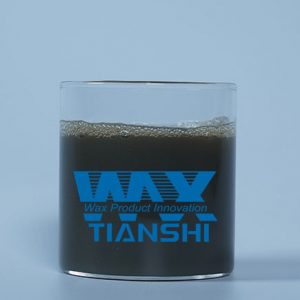
Wax paste is a concentrated dispersion of finely processed wax particles that can be incorporated into various coating systems. Depending on the formulation, wax pastes may be based on polyethylene wax, polypropylene wax, PTFE-modified wax, Fischer-Tropsch wax, or other specialty wax technologies. Because the wax particles are already pre-dispersed, wax paste offers excellent handling characteristics and easy incorporation into coating formulations.
One of the most important benefits of wax paste is improved abrasion resistance. Coated surfaces are frequently exposed to rubbing, cleaning, transportation, and mechanical wear. Wax particles help create a protective surface layer that reduces coating damage and extends service life. This is particularly important for industrial coatings, furniture coatings, floor coatings, and packaging varnishes.
Scratch resistance is another major advantage. During daily use, coatings can be damaged by contact with tools, furniture, packaging materials, or other objects. Wax paste helps reduce surface friction and protects the coating from visible scratches, allowing the finish to maintain its appearance for longer periods.
Wax paste also improves slip properties by lowering the coefficient of friction. A lower COF creates a smoother surface feel and reduces resistance between contacting surfaces. This characteristic is highly valued in wood coatings, printing coatings, metal coatings, and decorative finishes where both performance and tactile quality are important.
Anti-blocking performance is another key benefit. Freshly coated surfaces may stick together during stacking, packaging, transportation, or storage. Wax particles reduce surface tackiness and prevent unwanted adhesion between coated substrates. This can significantly improve production efficiency and reduce product rejection rates.
For water-based and solvent-based coatings alike, wax paste can contribute to better surface protection. The wax-rich surface layer acts as a barrier against external mechanical damage, helping the coating maintain its appearance and functionality over time.
Another advantage is enhanced stain resistance. Coatings modified with wax paste are often less likely to retain fingerprints, dust, dirt, and common contaminants. This makes cleaning easier and helps preserve the decorative appearance of the surface.
In wood coatings and furniture finishes, wax paste is commonly used to improve both durability and surface feel. The resulting coating can exhibit a smooth, silky touch while maintaining good transparency and visual clarity.
Industrial coatings frequently utilize wax paste to improve resistance to handling damage, transportation wear, and operational abrasion. This is particularly important in machinery, equipment, metal structures, and protective coating applications.
Wax paste can also help optimize gloss control. Depending on the wax type and particle size, formulators may achieve specific gloss levels while simultaneously improving surface protection. This flexibility makes wax paste suitable for both matte and high-gloss coating systems.
Compared with raw wax powders, wax paste often offers easier incorporation and more uniform dispersion. This can simplify production processes and improve formulation consistency, especially in high-performance coating systems.
The choice of wax paste depends on the resin system, application method, performance requirements, and desired surface characteristics. Polyethylene wax pastes are often selected for their balanced performance, while PTFE-modified wax pastes may provide superior scratch and abrasion resistance in demanding applications.
As coating technologies continue to advance, wax paste remains one of the most versatile additives for enhancing coating performance. Its ability to improve abrasion resistance, scratch resistance, slip, anti-blocking properties, stain resistance, and overall durability makes it an essential component in many modern coating formulations.
At Tianshi Wax, we offer a wide range of high-performance wax pastes for industrial coatings, wood coatings, packaging coatings, and specialty surface protection applications. Contact our technical team today to find the ideal wax paste solution for your coating formulation.
 Leave a message

We’ll get back to you soon