

2025-09-15 Pageview:178
Automotive electrophoretic coatings, also known as e-coatings, are widely applied in car manufacturing to provide excellent corrosion protection, uniform film thickness, and strong adhesion to metal substrates. While the base formulation of an e-coat ensures durability and anti-rust properties, achieving advanced surface performance such as scratch resistance, smoothness, and anti-blocking requires the introduction of wax additives. Among these, micronized wax powder is one of the most effective solutions.

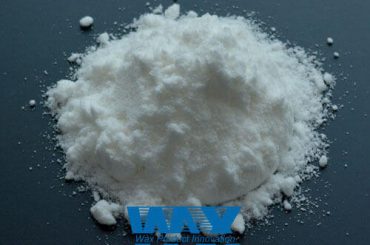
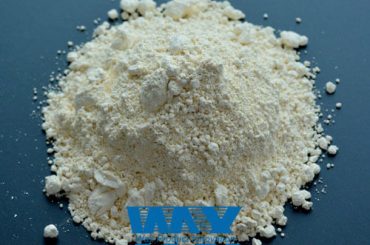
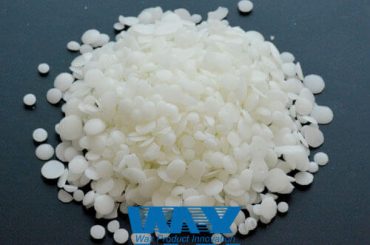
The choice of wax powder in automotive electrophoretic coatings depends on the balance between mechanical strength and surface appearance. Micronized polyethylene (PE) wax is commonly used because it provides excellent scratch resistance, wear resistance, and slip without significantly affecting gloss or film transparency. Polypropylene (PP) wax powders are often selected for their strong anti-blocking properties, which prevent coated surfaces from sticking together during handling or stacking. In high-performance applications, oxidized PE wax powders can also be used, as they offer better compatibility with the resin system and improve dispersibility, ensuring uniform performance across the entire coating film.
Another important factor is particle size. Fine micronized wax particles are able to distribute evenly throughout the e-coating, providing consistent reinforcement within the film. At the same time, wax particles that migrate to the surface form a protective layer that enhances slip and reduces the coefficient of friction. This dual function helps automotive coatings resist scratches during assembly, transportation, and long-term use.
In addition to scratch resistance and slip, wax powders also play a role in improving chemical resistance and water repellence. This is particularly important for vehicles exposed to harsh outdoor conditions, road salts, and frequent washing. By selecting the right type of wax powder, manufacturers can extend the service life of electrophoretic coatings while maintaining a high-quality surface finish.
For automotive coating producers, the correct choice of wax powder is not just about adding durability but also about ensuring that the coated surface meets the strict aesthetic and functional requirements of the automotive industry. Different formulations may require customized solutions depending on gloss level, hardness, or environmental resistance targets.
If you are looking for high-performance wax powders for automotive electrophoretic coatings, our company offers a complete range of micronized PE wax, PP wax, and oxidized PE wax designed for e-coat systems. Contact us to learn more about how our products can help enhance scratch resistance, anti-blocking, and overall surface quality in your automotive coatings.
 Leave a message

We’ll get back to you soon