

2025-12-05 Pageview:81
Micronized wax has become one of the most effective performance-enhancing additives in modern coating systems, especially for applications that require surface protection, durability, and long-term appearance retention. As coating manufacturers shift toward higher-performance and more environmentally friendly formulations, micronized wax offers a reliable way to improve scratch resistance without compromising gloss, transparency, or process stability. Its unique fine particle size, controlled morphology, and excellent chemical stability allow it to integrate seamlessly into water-based, solvent-based, powder, and UV-curable coatings.
The primary mechanism through which micronized wax enhances scratch resistance is mechanical reinforcement. When dispersed in a coating matrix, the wax particles migrate toward the surface during film formation, creating a micro-layer that increases hardness, reduces the coefficient of friction, and provides a lubricating effect at the coating interface. This surface modification prevents abrasive particles, cleaning tools, or daily wear from directly damaging the underlying film. Unlike conventional waxes with larger particle sizes, micronized wax achieves this effect without visible haze or texture, making it suitable even for high-gloss systems.
In addition to mechanical protection, micronized wax contributes to long-term performance stability. Many coatings used in architectural, industrial, automotive, and consumer applications suffer from early surface degradation due to physical contact, staining, and repeated cleaning. By creating a durable, uniform wax layer, the coating becomes more resistant to micro-scratches, scuffing, and polishing marks. This not only extends the visual appearance but also helps maintain film integrity, reducing the frequency of recoating or maintenance cycles.
Another important factor is formulation compatibility. Micronized PE, PP, FT, or amide waxes can be selected depending on the target performance. Polyethylene wax is commonly used due to its balanced hardness and flexibility. Polypropylene wax provides higher scratch and abrasion resistance, while Fischer-Tropsch wax offers superior hardness and temperature stability. Each type plays a unique role, allowing formulators to fine-tune the coating for furniture, industrial metal coatings, automotive refinishing, floor coatings, or OEM systems.
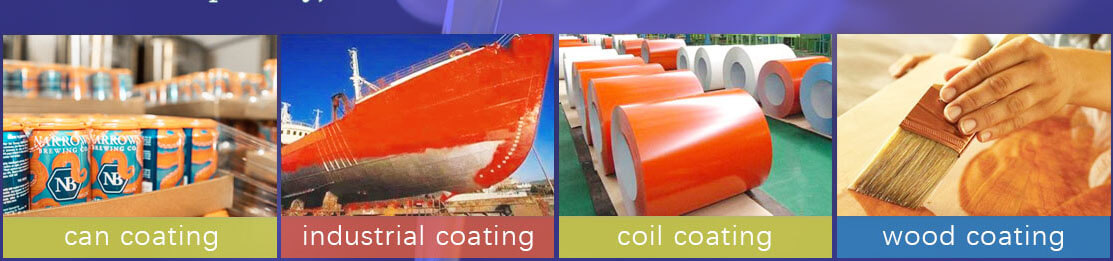
Micronized wax also enhances slip properties and anti-blocking performance. By reducing the surface friction, the coated substrate becomes easier to handle during manufacturing, packaging, and transportation. This is especially advantageous in packaging coatings, wood coatings, and industrial coatings where surfaces often come into contact with each other. The reduced friction minimizes imprinting, surface defects, and adhesion between coated surfaces.
Moreover, micronized wax demonstrates strong chemical and weathering resistance. Its hydrophobic nature improves water resistance and reduces the likelihood of swelling or film softening caused by moisture. In exterior coatings, micronized wax helps reduce dirt pickup by preventing contaminants from strongly adhering to the coating surface, thereby contributing to easier cleaning and long-lasting aesthetics.
Application of micronized wax is straightforward. It can be added during the grinding stage, pre-dispersed in a masterbatch, or incorporated during the let-down process depending on its type. Many modern micronized waxes are designed for excellent dispersibility, making formulation adjustment efficient and predictable. Powder coatings benefit greatly from micronized wax due to its ability to reduce melt viscosity, control surface flow, and optimize gloss levels while improving mechanical resistance.
As markets continue demanding coatings with superior durability, scratch resistance has become a key performance indicator. Flooring coatings, 3C consumer products, metal protective coatings, and automotive components all require surfaces that maintain gloss and clarity even after repeated use. Micronized wax remains one of the most cost-effective solutions to meet these requirements without relying on complex or expensive resins.
For coating companies targeting higher-quality products, integrating micronized wax into the formulation is an essential step toward achieving premium performance. It delivers a measurable improvement in protection, visual stability, and long-term film durability.
If you are looking for micronized wax with consistent particle size, excellent dispersion, and stable quality for coatings, our TIANSWAX team can provide technical recommendations and customized grades. Contact us for formulations, samples, or pricing—we will support your coating development with reliable performance additives.
 Leave a message

We’ll get back to you soon