

2026-05-21 Pageview:144
UV inks and topcoats are widely used in packaging, labeling, commercial printing, and specialty printing due to their advantages such as fast curing speed, high gloss, and high production efficiency.
Despite these advantages, UV-cured surfaces typically require additional protection during processing and transportation to prevent scratches, abrasion, and adhesion.
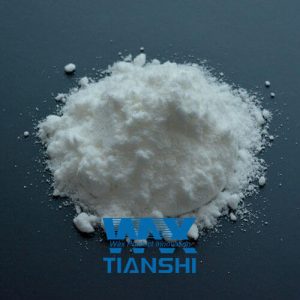
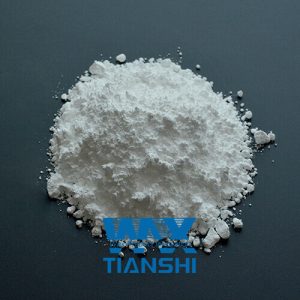
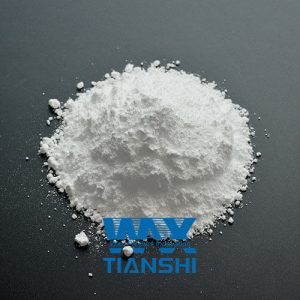
Micronized PTFE wax is one of the most effective additives for improving the surface properties of UV inks and topcoats.
PTFE wax has an extremely low coefficient of friction and excellent abrasion resistance. When properly dispersed in a UV curing system, the micronized particles migrate to the surface during curing, forming a thin, protective lubricating layer.
This lubricating layer significantly improves surface slippage and reduces friction.
One of the main advantages of PTFE wax in UV inks is improved abrasion resistance. Printed surfaces are more resistant to abrasion during handling, stacking, and transportation.
Scratch and abrasion resistance are also enhanced, helping UV prints maintain high visual quality.
Slip-like properties are particularly important in high-speed printing and processing operations. Lower friction improves material handling and reduces surface damage.
Anti-blocking properties are another major advantage, especially for UV-coated films and labels wound in rolls or stacked under pressure.
Selecting the right PTFE wax for UV inks and varnishes requires careful consideration of particle size, dispersibility, and compatibility with UV oligomers and resins.
Fine, micron-sized particles typically provide a smoother surface and better gloss retention while still offering strong surface protection.
Compatibility with UV curing systems is crucial for achieving stable formulations and avoiding defects such as haze or poor curing.
Dosage optimization is critical. Excessive PTFE wax may affect gloss or curing performance, while insufficient addition may fail to provide adequate protection.
Different UV applications, such as packaging inks, clear varnishes, and UV coatings, may require different PTFE wax structures and particle characteristics.
In many advanced UV formulations, polytetrafluoroethylene (PTFE) wax is used in combination with polyethylene (PE) wax or silicone additives to balance its slip properties, scratch resistance, and optical properties.
As UV printing technology continues to advance towards higher productivity and superior surface quality, PTFE wax remains one of the most effective surface protection additives.
If you are developing UV inks or topcoats and require improved slip and abrasion resistance, our micronized PTFE wax products offer a reliable, high-performance solution. Please contact us for technical support and customization advice.
 Leave a message

We’ll get back to you soon