

2026-08-07 Pageview:79
Rubber elastomers are widely used in automotive components, seals, gaskets, hoses, industrial products, footwear, and engineering applications. During mixing, extrusion, molding, and vulcanization processes, manufacturers often face challenges such as high processing friction, poor material flow, mold sticking, and surface tackiness. Special wax additives are commonly used to address these issues and improve overall manufacturing efficiency.
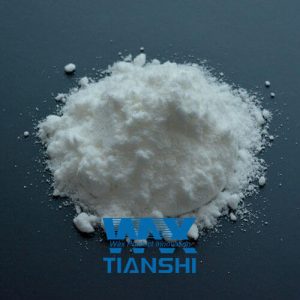
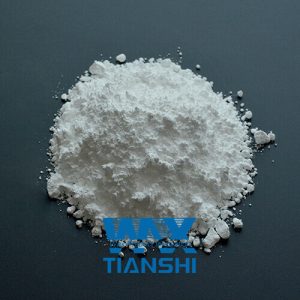
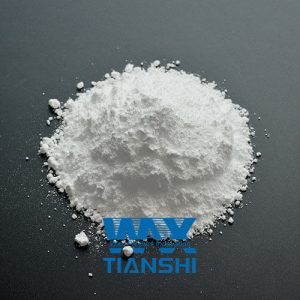
Special waxes for rubber elastomers are designed to provide lubrication during processing while helping prevent sticking on equipment surfaces and finished products. By reducing friction within the compound and at processing interfaces, these additives contribute to smoother production operations.
One of the primary benefits of special wax additives is enhanced processing lubrication. During compounding and extrusion, the wax helps reduce internal friction, improving material flow and facilitating more stable processing conditions.
Improved lubrication can also lower energy consumption during manufacturing. Reduced friction allows rubber compounds to move more efficiently through mixers, extruders, and molding equipment.
Another important advantage is the prevention of surface sticking. Rubber compounds often exhibit tackiness that can create handling difficulties during production and storage. Wax additives help form a protective surface layer that reduces adhesion and improves processability.
In molding applications, special waxes can improve release performance by reducing the tendency of rubber parts to stick to molds. Easier demolding helps increase productivity while reducing the risk of product damage.
The wax can also contribute to better surface quality. Reduced sticking and improved flow help manufacturers achieve cleaner surfaces and more consistent finished products.
Rubber elastomer formulations used in automotive weatherstrips, seals, hoses, conveyor belts, footwear components, and industrial rubber products frequently incorporate specialty wax additives to improve processing performance.
In addition to lubrication and anti-sticking effects, certain waxes can provide surface protection during storage and handling. This helps maintain product appearance and supports efficient downstream processing.
Compared with relying solely on processing adjustments, incorporating a suitable wax additive provides a more consistent and reliable method of controlling friction and tackiness throughout production.
The ideal wax grade depends on rubber type, processing method, formulation design, and performance requirements. Manufacturers typically evaluate different waxes to optimize lubrication, release properties, and final product quality.
As rubber processing technologies continue to evolve, specialty wax additives remain an effective solution for improving lubrication, reducing sticking, and enhancing manufacturing efficiency.
At Tianshi Wax, we supply high-performance specialty waxes for rubber elastomers, offering excellent processing lubrication, anti-sticking properties, and improved production performance. Contact our technical team today for product recommendations and technical support.
 Leave a message

We’ll get back to you soon