

2026-03-10 Pageview:352
Industrial coatings are designed to protect substrates from mechanical damage, chemicals, and environmental exposure. In many industrial environments—such as metal parts, machinery surfaces, packaging materials, and equipment housings—the coating surface is frequently exposed to abrasion, friction, and scratching. Improving scratch resistance is therefore a key formulation challenge for coating manufacturers.
Wax additives are widely used in industrial coating formulations because they provide an effective and cost-efficient method to enhance surface durability. By incorporating the right type of wax additive, formulators can significantly improve scratch resistance, abrasion resistance, and surface slip without negatively affecting other coating properties.
Scratch resistance in coatings is closely related to the surface structure formed during film formation. When wax additives are properly dispersed in a coating system, they tend to migrate toward the coating surface during the drying or curing process. This migration forms a thin protective layer enriched with wax particles. The presence of these particles reduces the coefficient of friction between the coating surface and external objects.
As a result, when mechanical force is applied to the coating surface—such as contact with tools, packaging materials, or transport equipment—the wax particles help absorb and distribute the mechanical stress. Instead of the coating film being directly damaged, the wax layer reduces friction and minimizes visible scratches.
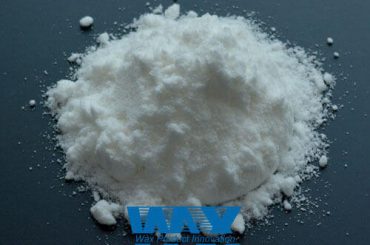
Micronized waxes are among the most commonly used additives for improving scratch resistance in industrial coatings. These wax powders are produced through controlled grinding processes that create extremely fine particles with narrow particle size distributions. Because of their small particle size, micronized waxes disperse well in coating formulations and form a uniform protective layer on the coating surface.
Polyethylene (PE) wax and polypropylene (PP) wax are widely used micronized wax types in solvent-based and powder coatings. They provide a balance of hardness, slip, and abrasion resistance. For applications requiring higher performance, PTFE-modified waxes or pure PTFE waxes are often used because of their extremely low friction coefficient.
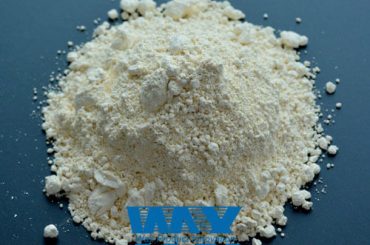
PTFE wax is particularly effective in high-performance coatings where exceptional scratch and wear resistance are required. When incorporated into industrial coatings, PTFE wax particles form a highly durable micro-layer that significantly reduces surface friction. This makes them ideal for applications such as automotive coatings, metal coatings, appliance coatings, and coil coatings.
Another important advantage of wax additives is their ability to maintain coating appearance over time. Scratches not only affect protective performance but also reduce aesthetic quality. Wax particles help prevent visible damage by allowing objects to glide across the surface rather than cutting into the coating film.
In addition to scratch resistance, wax additives can also improve several related surface properties. These include abrasion resistance, anti-blocking behavior, slip properties, and surface smoothness. The combination of these effects makes wax additives essential in many modern industrial coating formulations.
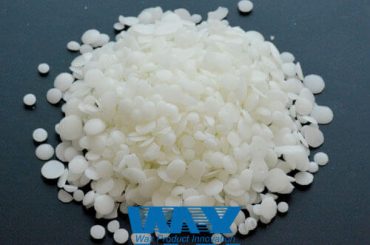
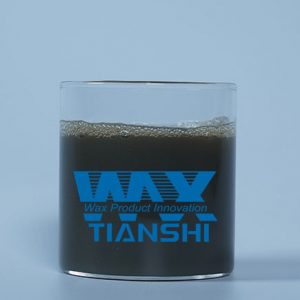
However, selecting the correct wax type is crucial. Different wax chemistries and particle sizes influence how the additive interacts with the coating system. For example, micronized polyethylene wax is often chosen for general industrial coatings because it provides balanced performance and good compatibility. PTFE wax is typically used when extremely high scratch resistance is required. Wax emulsions may be preferred in water-based coatings to ensure good dispersion and stability.
Proper dosage is also important. Excessive wax loading can negatively affect gloss or coating transparency. Therefore, formulators must carefully optimize the wax concentration to achieve the desired performance without compromising visual properties.
As industrial coatings continue to evolve toward higher durability and longer service life, wax additives will remain a critical component in surface protection technologies. Their ability to enhance scratch resistance while maintaining coating aesthetics makes them indispensable in many industrial applications.
If you are developing industrial coatings that require improved scratch resistance, selecting the right wax additive can significantly enhance performance. Our company provides a range of micronized waxes, PTFE waxes, and wax emulsions specifically designed for industrial coating applications. Feel free to contact us to discuss your formulation requirements and request product recommendations or samples.
 Leave a message

We’ll get back to you soon