

2025-12-02 Pageview:113
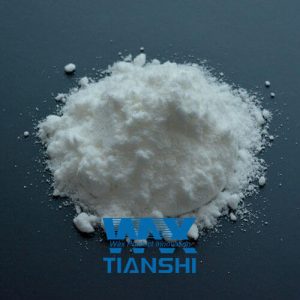
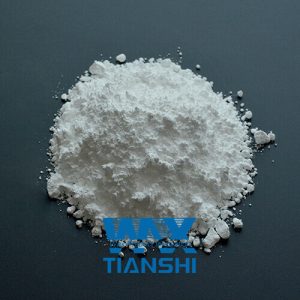
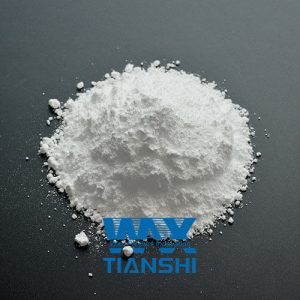
Oxidized PE wax has become a standard processing aid in PVC pipe, profile, fitting, and WPC/SPC extrusion because producers need stable lubrication, controlled fusion, low friction, and consistent melt behavior. In rigid PVC extrusion, the balance between internal and external lubrication is critical. Poor lubrication may result in rough surfaces, melt fracture, equipment wear, or unstable torque. Oxidized polyethylene wax solves these issues more effectively than standard PE wax because of its polar functional groups and stable crystalline structure.
The polarity of oxidized PE wax improves internal lubrication, reducing melt viscosity and facilitating uniform fusion of PVC resin particles. At the same time, its external lubrication effect lowers friction between the PVC melt and die surfaces, improving surface appearance and reducing extruder wear. This dual effect stabilizes torque, prevents burn marks, and enables consistent wall thickness in pipes and profiles.
In high-output extrusion lines, oxidized PE wax reduces plate-out on dies, improves melt homogeneity, and stabilizes pressure fluctuations. It also improves filler distribution in CaCO3-filled PVC, leading to stronger mechanical properties and smoother surfaces. In SPC and WPC flooring, oxidized PE wax enhances filler dispersion and improves dimensional stability.
If your PVC production requires better surface quality, higher output, and improved lubrication, oxidized PE wax is an ideal choice. Contact TIANSWAX for samples, optimized grades, or technical guidance for your PVC extrusion needs.
 Leave a message

We’ll get back to you soon