

2026-01-12 Pageview:74
In the printing ink industry, surface performance is just as important as color strength and print clarity. Printed materials must withstand friction during production, handling, transportation, and end use without smearing, scuffing, or surface damage. For this reason, slip and rub resistance are critical performance indicators in modern ink formulations. Polyethylene wax has become one of the most effective functional additives for achieving these properties while maintaining excellent print quality.
The main function of polyethylene wax in printing inks is to form a protective surface layer that reduces friction and enhances resistance to mechanical wear. When PE wax is incorporated into the ink system, fine wax particles migrate to the surface as the ink dries. This creates a thin, lubricating film that minimizes contact between the ink layer and external objects. As a result, printed surfaces can slide more easily against each other, reducing blocking, ink transfer, and surface damage.

Slip is particularly important in high-speed printing and packaging operations. In flexible packaging, labels, and paperboard printing, printed materials are often stacked, rewound, or processed through automated equipment. Without adequate surface lubrication, these processes can cause sticking, scratching, or smudging. Polyethylene wax lowers the coefficient of friction, enabling smoother movement and improving overall production efficiency.
Rub resistance is equally critical, especially for packaging and branded materials that must maintain appearance throughout distribution and retail display. PE wax protects the ink film from abrasion by shielding pigment particles and binder matrices from direct contact. This helps preserve color density, sharpness, and surface integrity even after repeated handling. Compared with softer waxes, polyethylene wax provides a balanced combination of hardness and flexibility, delivering reliable protection without compromising visual quality.
One of the key advantages of polyethylene wax in inks is its compatibility with modern water-based and environmentally friendly formulations. As regulatory requirements push the industry toward low-VOC systems, ink manufacturers must maintain high performance standards while complying with environmental regulations. PE wax dispersions and emulsions are specifically designed to integrate smoothly into water-based ink systems, providing functional benefits without negatively affecting drying time, adhesion, or printability.
Transparency and gloss are also important considerations in many printing applications. Polyethylene wax is available in controlled particle sizes that allow formulators to enhance surface protection without introducing haze or unwanted changes in appearance. For applications requiring specific surface effects, such as matte finishes or tactile coatings, different PE wax grades can be selected to achieve the desired balance between protection and aesthetics.
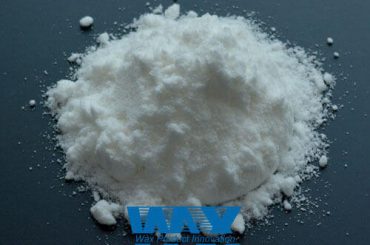
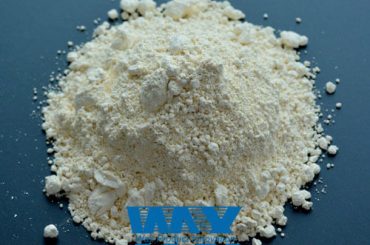
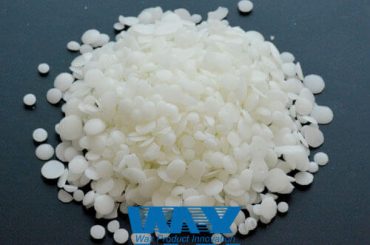
From a processing standpoint, polyethylene wax offers excellent formulation flexibility. It can be added during the let-down stage of ink production and is available in powder, dispersion, and emulsion forms. Typical addition levels depend on the required level of slip and rub resistance, but even small dosages can deliver noticeable performance improvements. Because PE wax is chemically stable, it maintains consistent performance across a wide range of printing conditions.
In practical applications, polyethylene wax is widely used in flexographic inks, gravure inks, packaging inks, and overprint varnishes. In flexible packaging, it prevents ink transfer during winding and storage. In paper and board printing, it improves scuff resistance during transport and handling. For labels and decorative prints, it ensures that printed surfaces remain clean and visually appealing throughout the product lifecycle.
Selecting the right polyethylene wax for ink formulations requires consideration of particle size, melting point, and compatibility with the binder system. By matching these parameters to specific application requirements, formulators can achieve optimal slip, rub resistance, and surface protection without sacrificing print quality or process efficiency.
If you are looking to improve the durability and handling performance of your printing inks, polyethylene wax offers a proven and cost-effective solution. Our company provides a full range of PE wax products tailored for packaging, flexo, gravure, and water-based inks. Contact us today for technical support, formulation guidance, or sample requests. Let us help you enhance ink performance and deliver more reliable printed products to your customers.
 Leave a message

We’ll get back to you soon